Almond Script: A Graceful Typeface for Modern Branding
There's a moment in every design project where the typography either clicks or it doesn't. You've laid out your color palette, chosen your imagery, and written your copy—but something feels unfinished until the right typeface steps in and ties everything together. That's precisely the kind of transformation Almond Script brings to the table. With its thin, elegant letterforms and fluid strokes, this script font has a way of making designs feel instantly more refined and intentional.
What Makes Almond Script Stand Out
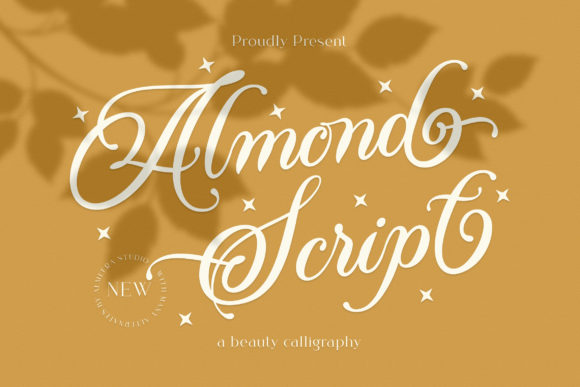
At its core, Almond Script is a thin lettered and graceful script font that draws inspiration from classic calligraphy while maintaining a distinctly modern sensibility. The letterforms flow with a natural rhythm—each stroke tapering delicately, each curve feeling organic rather than mechanical. It doesn't try too hard to be ornate. Instead, it lets its elegance speak through restraint, which is often what separates a truly versatile script from one that only works in narrow contexts.
What really sets this typeface apart, though, is its practicality. Because it's PUA encoded, every glyph, swash, and alternate character is fully accessible without needing specialized design software or workarounds. If you've ever struggled with OpenType features in programs that don't support them natively, you'll appreciate this immediately. You can pull up any character through a standard character map and drop it into your design. That means more creative freedom with less technical friction—something that matters whether you're a seasoned designer or a small business owner experimenting with your own brand materials.
Where This Script Font Truly Shines
The beauty of a typeface like Almond Script is that it adapts gracefully across a surprisingly wide range of applications. Let's walk through some of the spaces where it genuinely earns its place in your font library.
Branding and Logo Design: If you're building a brand identity that needs to feel approachable yet polished—think boutique businesses, lifestyle brands, artisan products, or wellness studios—Almond Script delivers that balance beautifully. A wordmark set in this font carries personality without sacrificing legibility. It works particularly well for businesses that want to evoke warmth, craftsmanship, or understated luxury.
Packaging Design: Script fonts have long been a staple in packaging, especially for food, beauty, and handmade goods. Almond Script's thin weight gives it an airy quality that pairs well with minimalist packaging layouts. Imagine it on a kraft paper label for a small-batch candle company or as the hero type on a cosmetics box—it adds that human touch without cluttering the design.
Social Media Graphics: On platforms where attention spans are measured in seconds, a distinctive typeface can stop the scroll. Almond Script works wonderfully for Instagram quotes, Pinterest pins, story overlays, and promotional graphics. Its graceful curves photograph well at various sizes, and the availability of swashes means you can add flourishes to create visual interest without layering on additional design elements.
Invitations and Event Materials: Wedding invitations, event flyers, save-the-dates, and program booklets are natural territory for a script font like this one. The thin lettering gives it a formal yet approachable feel—suitable for both black-tie affairs and casual garden parties. It also works well for digital invitations and e-vites, which have become increasingly common for everything from corporate events to baby showers.
Web Design and Blogs: Used sparingly and strategically, Almond Script can elevate a website's visual hierarchy. It's ideal for hero section headlines, pull quotes, navigation accents, or blog post titles—places where you want to inject personality without compromising the readability of body text. Pair it with a clean sans serif font for paragraphs, and you've got a typographic system that feels both professional and inviting.
Editorial and Print Layouts: Magazine features, lookbook spreads, and printed brochures benefit from the kind of typographic variety that keeps readers engaged. Almond Script can serve as a striking display font for headers and subheads, creating contrast against more utilitarian body fonts. Its thin strokes reproduce cleanly in print, which is an important consideration that's sometimes overlooked when choosing script fonts.
Digital Products and Marketing Assets: If you sell digital downloads—planners, worksheets, e-books, or templates—embedding a font like Almond Script into your designs can significantly increase their perceived value. The same goes for marketing collateral like email headers, sales page banners, and lead magnet covers. A cohesive, well-typed design communicates professionalism, and that directly influences how potential customers perceive the quality of what you're offering.
Pairing Almond Script with Other Fonts
No typeface exists in isolation. The real magic happens when you start combining fonts, and Almond Script plays well with others. Because it's a display-oriented script font, it naturally pairs with simpler typefaces that handle the heavy lifting of body copy.
A classic approach is to combine it with a geometric sans serif—think fonts like Montserrat, Poppins, or Raleway. The clean, structured lines of a sans serif create a beautiful contrast with Almond Script's flowing curves. This kind of pairing is especially effective for brand identity systems, where you need a primary display font and a secondary workhorse font that maintain visual harmony across different touchpoints.
For a more traditional or editorial feel, try matching it with a refined serif font. The combination of a graceful script with a well-proportioned serif—like Playfair Display or Lora—creates a sophisticated typographic palette that suits luxury branding, editorial design, and high-end packaging.
The key is to let Almond Script occupy the spotlight without competition. If your headline font is a detailed script, your supporting typeface should be quiet and functional. Avoid pairing it with another script or a highly decorative display font, as that creates visual noise rather than visual interest.
Practical Considerations Before You Commit
Before integrating any premium font into your workflow, it's worth taking a few practical steps to make sure it's the right fit.
Test it in context. Don't just type out the alphabet in isolation. Drop Almond Script into an actual design mockup—your logo concept, a social media template, a packaging layout—and see how it behaves at the sizes and in the combinations you'll actually use. Fonts can look dramatically different in a specimen sheet versus a real-world application.
Check readability at small sizes. Script fonts with thin strokes can lose legibility when scaled down, particularly in digital contexts where screen resolution varies. Test how Almond Script renders at the smallest size you'd realistically use—whether that's a website caption, a product tag, or a business card—and make sure the letterforms remain distinct.
Review all included styles and glyphs. Because this font is PUA encoded with extensive alternates and swashes, take time to explore the full character set before starting a project. You might discover a particular flourish or alternate letterform that perfectly suits your design direction, but only if you know it's there.
Understand the licensing. If you're using Almond Script for client work, merchandise, or commercial products, confirm that your license covers those applications. Most premium fonts come with clear commercial licensing terms, but it's always worth verifying before a project goes to print or production.
Making Typography Work for Your Brand
Choosing a font is never purely an aesthetic decision—it's a strategic one. The typefaces you use become part of your visual language, shaping how people perceive your brand before they read a single word of your messaging. A script font like Almond Script communicates specific qualities: elegance, creativity, attention to detail, and a human sensibility that rigid, mechanical typefaces often lack.
That said, typography should always serve the project's goals rather than the designer's preferences. If your audience expects clarity and speed—a SaaS dashboard, a medical website, an instructional manual—then even the most beautiful script font is the wrong choice. But for projects where personality, warmth, and visual storytelling matter, Almond Script is a genuinely strong option that brings grace and versatility to the creative process.
Take the time to explore its character set, experiment with pairings, and test it across the specific contexts where your designs will live. When a font fits a project naturally, you can feel it—and that alignment between type and intention is what separates good design from great design.