Jully Julia: A Handwritten Font with Authentic Charm
There’s a certain magic in a handwritten note. It feels personal, immediate, and real. In a digital landscape saturated with crisp, impersonal typefaces, that human touch can be a powerful differentiator. This is precisely the space where Jully Julia, a sophisticated handwritten font, excels. It’s not just a script; it’s a tool for injecting confidence, authenticity, and a distinct personality into your visual communications. For designers, entrepreneurs, and creators, it offers a way to make digital projects feel handcrafted and intentional.
More Than Just Pretty Letters: Understanding the Font's Personality
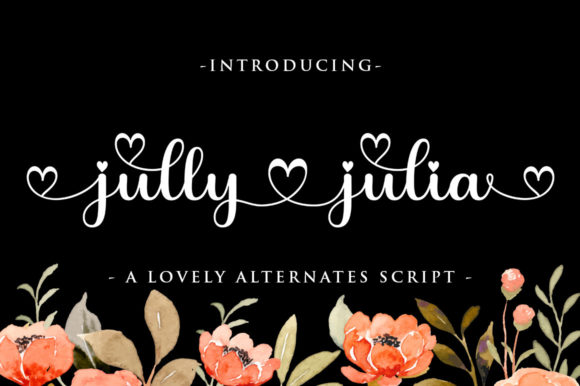
At first glance, Jully Julia is elegant and flowing. But its real strength lies in its balanced personality. It avoids the extremes of overly casual scrawl or rigid calligraphy, landing in a sweet spot that feels both polished and approachable. The letterforms have a natural, confident flow with subtle variations that mimic real handwriting. This prevents the text from looking robotic or overly uniform, which is a common pitfall with script fonts. The included swashes and alternate glyphs, easily accessible thanks to its PUA encoding, allow for customization. You can add a flourish to a capital letter or a unique tail to a lowercase 'g' to give a headline or logo that extra bit of bespoke character.
This versatility makes it a valuable asset in a designer's toolkit. It functions beautifully as a display font for headlines, where its personality can shine, but it remains surprisingly legible at moderate sizes for subheadings or pull quotes. When considering modern typography, the choice of a script font like Jully Julia is a strategic one. It sets a specific tone—warm, creative, and trustworthy—that many sans serif or serif fonts cannot achieve on their own.
From Brand Identity to Packaging: Practical Applications
The true test of any premium font is how it performs in real-world scenarios. Jully Julia’s charm translates effectively across a multitude of projects, helping to build a cohesive and engaging brand identity.
For Branding and Logo Design: Imagine a boutique bakery, a wedding planner, or a handmade soap company. A logo set in Jully Julia immediately conveys craftsmanship, care, and a personal touch. It tells a story before a single word of copy is read. Paired with a clean, geometric sans serif font for body text, it creates a beautiful contrast that is both professional and inviting. This kind of thoughtful font pairing is the bedrock of effective visual branding.
In Packaging and Print Materials: On a product label, a thank-you card, or a boutique shopping bag, this handwritten font elevates the perceived value. It turns a simple package into an experience. For editorial design, it can be used for magazine mastheads, chapter titles, or feature pull quotes to add a layer of sophistication and break up dense blocks of text.
Digital Presence and Marketing Assets: The applications extend seamlessly online. Use it for Instagram story headers, quote graphics, or website hero sections to capture attention instantly. For web design, it can style special announcements or call-to-action buttons that need to feel personal. Bloggers and content creators can use it for eBook covers, course titles, or email newsletter headers to establish a consistent and recognizable aesthetic. In social media graphics, it helps posts stand out in a crowded feed with a human, relatable voice.
Making It Work: Practical Advice for Using Jully Julia
Integrating a new creative font into your workflow requires some thoughtful consideration to ensure it enhances rather than hinders your message.
- Prioritize Readability: While beautiful, script fonts are best used for short bursts of text—logos, headlines, taglines. Avoid setting long paragraphs in Jully Julia, as the connected letters can become difficult to read at length. Always test your designs at the intended viewing size, whether on a mobile screen or a printed poster.
- Master the Art of Pairing: Jully Julia pairs exceptionally well with neutral typefaces. Try combining it with a classic serif font like Georgia or a modern sans serif like Montserrat for body copy. The key is contrast: let the handwritten font be the star of the show for key elements, and use a simpler font to support it.
- Explore the Glyphs: Don’t just type and go. Open the glyphs panel in your design software to explore the alternate characters and swashes. These extras are what allow you to customize the text for a truly unique look, especially in logo design or packaging design where every detail matters.
- Understand the License: As a commercial font, ensure you review the licensing terms. Jully Julia is typically licensed for a wide range of uses, including digital products, merchandise, and client work, but it's always best practice to confirm the specifics for your project, especially for large-scale distribution or digital products for resale.
A Final Thought on Visual Storytelling
Choosing a font is, at its core, an act of storytelling. Jully Julia offers a specific narrative—one of authenticity, creativity, and personal connection. It’s a design asset that does more than just display words; it conveys emotion and builds an immediate rapport with the viewer. By understanding its personality and applying it strategically, you can create more engaging, memorable, and effective visual communications that resonate deeply with your audience. Whether you're designing a wedding invitation, a coffee bag, or a social media campaign, it provides a reliable way to add that coveted human touch.