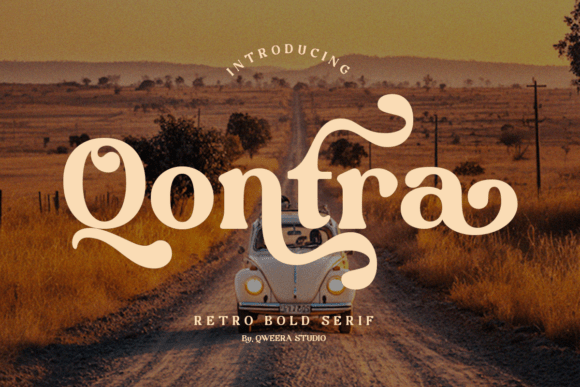
Qontra: A Retro Bold Serif with Modern Personality
There's a certain magic in typefaces that feel both familiar and fresh—fonts that nod to the past while confidently stepping into the present. Qontra is exactly that kind of typeface. It's a retro bold serif designed with expressive curves and vintage-inspired styling, but don't let the word "retro" fool you into thinking it's stuck in another era. This font carries a strong personality that works surprisingly well across contemporary design projects, from branding and packaging to social media graphics and editorial layouts.
If you've ever struggled to find a typeface that feels distinctive without being distracting, Qontra might be worth a closer look. It strikes a balance between boldness and approachability, making it versatile enough for designers, small business owners, and creatives who want their typography to actually say something.
What Makes Qontra Visually Distinctive
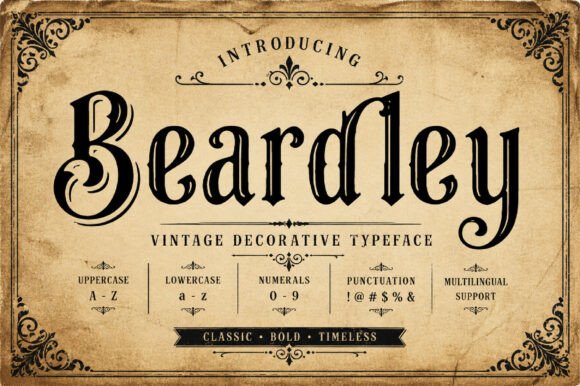
At first glance, Qontra grabs your attention with its thick, confident strokes and slightly condensed letterforms. The serif details aren't just functional—they're decorative, adding a layer of visual interest that plain sans serif fonts simply can't replicate. Each character has a subtle warmth to it, thanks to the rounded terminals and carefully crafted curves that soften the overall boldness.
What sets Qontra apart from other premium fonts in the retro category is its refusal to lean too heavily into nostalgia. Yes, it has that vintage-inspired charm reminiscent of mid-century advertising and old-school poster design, but the proportions and spacing feel modern. The result is a display font that looks equally at home on a craft beer label as it does on a tech startup's landing page.
The decorative details are worth noting. Unlike minimalist serif fonts that strip everything down to bare essentials, Qontra embraces ornamentation without going overboard. The serifs have a slight flare, the curves have personality, and the overall texture of a text block set in Qontra feels rich and engaging. It's the kind of typeface that makes people pause and actually read what's in front of them.
Practical Applications Across Creative Projects
A font is only as good as the projects it serves, and Qontra's versatility is one of its strongest selling points. Here's where it tends to shine:
- Branding and Logo Design: Qontra's bold structure gives logos instant presence. For businesses that want to convey confidence, heritage, or artisanal quality—think craft breweries, boutique bakeries, independent record labels—this typeface delivers character without sacrificing legibility. It pairs well with simpler sans serif fonts for body text, creating a visual hierarchy that feels intentional.
- Packaging Design: On shelves crowded with competing products, typography can make or break first impressions. Qontra's expressive curves and vintage styling help products stand out, especially in categories like food and beverage, cosmetics, or specialty goods where craftsmanship and authenticity matter.
- Poster and Editorial Design: Whether you're designing event posters, magazine covers, or book layouts, Qontra handles headline duty beautifully. Its bold weight ensures readability from a distance, while the decorative serifs add visual texture that draws the eye.
- Social Media Graphics: In a feed full of generic sans serifs and overused script fonts, Qontra offers something different. It works particularly well for quote graphics, announcement posts, and branded content where you want the typography to do more heavy lifting.
- Websites and Blogs: While Qontra is primarily a display font, it can work effectively for hero sections, section headers, and call-to-action text on websites. Pair it with a clean, readable body font and you've got a typographic system that feels both polished and distinctive.
- Merchandise and Invitations: From t-shirt designs to wedding invitations, Qontra's personality translates well to physical products. Its bold presence means it reproduces cleanly at various sizes, and the retro aesthetic appeals to audiences who appreciate vintage-inspired design.
How Strong Typography Supports Better Design Outcomes
Choosing the right font isn't just about aesthetics—it's a strategic decision that affects how your audience perceives your brand. Typography influences brand recognition, shapes emotional responses, and determines whether your message gets read or ignored.
When you use a typeface like Qontra consistently across your brand identity—from your logo to your website headers to your packaging—you create visual cohesion. Customers start to associate that specific typographic style with your business. Think about how instantly recognizable certain brands have become partly because of their font choices. That kind of recognition doesn't happen by accident; it happens through deliberate, consistent application of a well-chosen typeface.
Qontra also contributes to professional presentation. There's a noticeable difference between designs that use default system fonts and those that use carefully selected design assets. A premium font signals that you've invested thought and care into your visual communication, which builds trust with your audience.
Readability is another consideration. While bold serifs can sometimes feel heavy or overwhelming, Qontra's balanced proportions and generous spacing keep text legible even at smaller sizes. This is especially important for packaging design and print materials where text needs to be readable in real-world conditions—not just on a bright monitor.
Pairing Qontra with Other Fonts
One of the most practical aspects of working with any serif font is figuring out what to pair it with. Qontra's bold, expressive nature means it works best alongside typefaces that complement rather than compete.
A clean geometric sans serif is a natural pairing. Fonts like Montserrat, Futura, or even a simple grotesque sans serif provide a quiet counterpoint to Qontra's personality. Use Qontra for headlines and the sans serif for body text, and you've got a typographic system that's both dynamic and readable.
For projects that want to lean into the vintage aesthetic, pairing Qontra with a handwritten font or script font can work beautifully—especially for packaging, invitations, or social media graphics. The key is to use the script font sparingly, letting Qontra handle the heavy lifting while the script adds a personal, handcrafted touch.
It's worth experimenting with different combinations before committing. Set up a few test layouts with your actual content—not just placeholder text—and see how the fonts interact at different sizes. Pay attention to spacing, weight contrast, and overall rhythm. A pairing that looks great at 72 points might feel cluttered at 14, so test across the sizes you'll actually use.
Choosing the Right Font Style for Your Project
Before diving into any creative font purchase, it helps to clarify what you actually need. Ask yourself a few questions:
- What's the primary use case? A font for a logo has different requirements than one for long-form body text.
- Who's your audience? A typeface that appeals to a millennial demographic might not resonate with a luxury-focused clientele, and vice versa.
- What mood are you trying to convey? Typography carries emotional weight—bold serifs feel confident and established, while lighter weights feel more refined and understated.
- How will it pair with your existing design assets? If you already have a brand font for body text, you need a display font that complements it.
Qontra works best when you need a typeface with presence. It's not the right choice for dense paragraphs of body copy, but for anything that needs to grab attention and hold it—headlines, logos, packaging callouts, poster titles—it's a strong contender.
Licensing and Practical Considerations
One detail that often gets overlooked in the excitement of finding a great font is licensing. If you're planning to use Qontra for commercial projects—client work, products for sale, business branding—make sure you understand the licensing terms. Most commercial fonts come with specific usage rights, and these can vary significantly between foundries and marketplaces.
Check whether the license covers the specific use cases you need. Some licenses are fine for print but have restrictions on digital embedding. Others might require an extended license for merchandise or large-scale distribution. It's worth reading the fine print upfront rather than dealing with licensing issues later.
Also consider what's included with the font file. Does it come with multiple weights or styles? Are there alternate characters, ligatures, or stylistic sets that give you more creative flexibility? These extras can significantly expand what you can do with a single typeface, making it a better long-term investment for your design assets library.
Final Thoughts on Working with Qontra
Finding a typeface that feels right for your project can be surprisingly personal. It's not just about technical specifications or trend cycles—it's about whether the font captures the feeling you're trying to communicate. Qontra brings a retro boldness that feels genuine rather than gimmicky, with enough modern refinement to work across a wide range of applications.
Whether you're building a brand from scratch, refreshing your visual identity, or just looking for a display font that doesn't feel generic, Qontra deserves a spot on your shortlist. Test it out, experiment with pairings, and see how it fits into your creative workflow. Sometimes the right typeface doesn't just improve a design—it changes the entire direction of a project.