Steven: A Bold Typeface That Demands Attention
There's a moment in every creative project when you realize the standard fonts just aren't cutting it. You need something with presence, something that stops the scroll and makes people look twice. That's exactly where Steven enters the picture—a decorative display font engineered to be the visual centerpiece of any design. This isn't a typeface for body text or quiet paragraphs; it's built for headlines that shout, logos that stick, and packaging that pops off the shelf.
Understanding Steven's Visual DNA
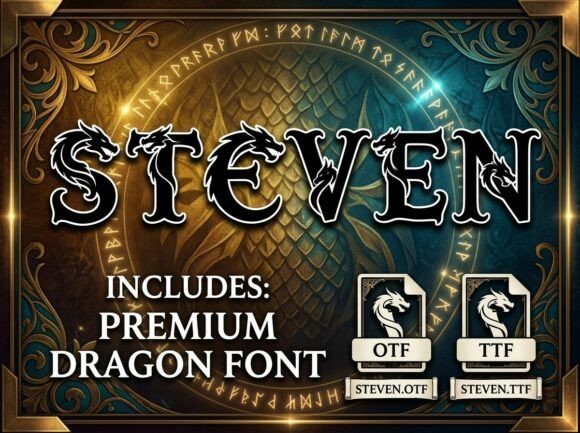
Steven is an all-caps display typeface, meaning every letter exists only in uppercase form. This design choice isn't a limitation—it's a deliberate stylistic decision. When every character is crafted as a capital letter, the result is uniform visual weight and an inherently bold aesthetic. The artistic elements woven into each glyph give Steven a personality that feels both contemporary and slightly rebellious, perfect for projects that refuse to blend into the background.
The font ships in two essential formats: OTF (OpenType Font) and TTF (TrueType Font). The OTF version works seamlessly with professional design software like Adobe Illustrator, Photoshop, and InDesign, offering advanced typographic features. The TTF version ensures universal compatibility, so you can install and use Steven across virtually any device or application without headaches. This dual-format approach means whether you're a seasoned designer working in professional suites or a small business owner creating materials in Canva, Steven is ready to perform.
Where Steven Truly Shines
Think about the last brand that caught your eye. Chances are, its typography played a significant role. Steven excels in scenarios where visual impact matters more than extended readability. Here's where this premium font finds its sweet spot:
- Logo Design: A logo needs to be memorable at a glance. Steven's distinctive letterforms create logos with character, especially for brands in fashion, entertainment, food and beverage, or creative services. The all-caps structure ensures consistency across different logo lockups.
- Packaging Design: On crowded retail shelves or in online storefronts, packaging has roughly three seconds to communicate. Steven's bold personality helps product names and brand marks stand out immediately, whether you're designing labels for artisanal goods or tech products.
- Social Media Graphics: Instagram stories, YouTube thumbnails, and Facebook ads all compete for rapid attention. Using Steven for key phrases or titles creates scroll-stopping visual anchors that boost engagement rates.
- Poster and Event Design: Concert posters, festival promotions, and event announcements benefit enormously from a typeface that projects energy. Steven's decorative elements add artistic flair without requiring additional graphic embellishments.
- Website Headers: While you wouldn't set an entire blog post in Steven, using it for hero section headlines or section titles adds visual interest and establishes a strong brand tone from the moment visitors land on your page.
- Merchandise and Apparel: T-shirt designs, tote bags, and branded merchandise often rely on typography alone. Steven's unique character shapes translate beautifully to print-on-demand products where every letter becomes part of the artwork.
Pairing Steven With Other Typefaces
One of the most practical skills in design is learning to pair fonts effectively. Because Steven is a decorative display font, it works best alongside something more restrained for supporting text. Think of it as the lead singer in a band—it needs a solid rhythm section behind it.
For body copy on websites or printed materials, consider pairing Steven with a clean sans serif font like Montserrat, Open Sans, or Lato. These combinations create a clear visual hierarchy where Steven handles the dramatic moments while the secondary typeface manages the details. If your brand leans more traditional or editorial, a classic serif font such as Georgia or Playfair Display can complement Steven's modern energy with a touch of sophistication.
The key is contrast. If Steven is doing the heavy lifting visually, your supporting typeface should recede gracefully. Avoid pairing it with other highly decorative or script fonts, as the result often feels chaotic and undermines readability. Test your combinations by setting actual content—headlines, subheadings, and body paragraphs—to see how the relationship feels in practice rather than just in theory.
Practical Considerations Before You Commit
Before purchasing any commercial font, including Steven, it's worth running through a quick checklist to ensure it fits your specific needs:
- Confirm the Character Set: Steven is an uppercase-only typeface. This means there are no lowercase letters available. For projects requiring mixed-case text or extensive body copy, you'll need a complementary font for those sections. This isn't a flaw—it's the font's design intent—but it's important to know before you start.
- Review the Licensing Terms: Commercial fonts come with licensing agreements that dictate how you can use them. Check whether the license covers your intended use, whether that's digital products, print materials, merchandise, or client work. Most premium font licenses are quite permissive, but verifying upfront prevents legal complications later.
- Test in Your Actual Workflow: Download any available preview or sample to see how Steven behaves in the software you actually use. Typography can look different across applications, and testing helps you identify any workflow adjustments needed before a deadline looms.
- Consider Your Audience: While Steven's artistic personality appeals broadly, certain audiences may respond differently. A music festival poster featuring Steven will land perfectly; a legal firm's annual report might not be the right context. Match the font's personality to your audience's expectations and your brand's voice.
Building Brand Recognition Through Typography
Consistent use of a distinctive typeface like Steven across your marketing assets builds a recognizable visual identity over time. When customers repeatedly encounter the same typographic style on your social media posts, website, packaging, and email newsletters, it creates a cohesive brand experience that fosters trust and recall.
This doesn't mean Steven needs to appear everywhere in your designs. Strategic deployment—reserved for headlines, product names, or key messaging—actually strengthens its impact. Think of how brands like Supreme or Supreme-type brands use bold typography as a signature element. The font becomes synonymous with the brand itself, an instantly recognizable marker that communicates personality before a single word is read.
For entrepreneurs and small business owners building their first brand identity, investing in a quality display font like Steven early on pays dividends. It establishes a visual foundation that scales from a simple business card to a full e-commerce website, maintaining professional polish at every touchpoint. Combined with a thoughtful color palette and consistent imagery, strong typography transforms scattered design efforts into a unified brand presence that resonates with your target audience and stands apart from competitors using the same handful of default system fonts.