Why Prints Is the Handwritten Font Your Brand Has Been Missing
You know the feeling when you stumble across something that just clicks? That's what happened the first time I opened the Prints typeface. It wasn't the flashiest font in the folder, but it had this immediate warmth—like finding a handwritten note from someone who genuinely cares. If you've been hunting for a typeface that feels personal without sacrificing polish, stick around. This one deserves a closer look.
The Personality Behind the Letterforms
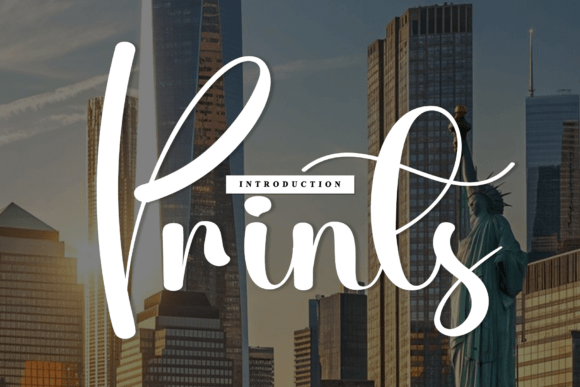
Prints is a handwritten font, but don't lump it in with the dozens of casual script typefaces that flood design marketplaces every week. What sets it apart is intention. Each letter carries its own character, yet nothing feels erratic or hard to read. The strokes have a natural flow—slightly imperfect in the way real handwriting should be—but the overall rhythm stays consistent. That balance is harder to achieve than most people realize.
As a display font, Prints works beautifully at larger sizes where those subtle details can breathe. The loops on lowercase letters like h and k have a graceful taper. Uppercase characters hold their ground without feeling heavy. There's a quiet confidence in the design that makes it versatile enough for both playful and sophisticated projects. Whether you're designing a wedding invitation or a product label for an artisan candle brand, the font adapts to the mood you're building.
Where This Font Truly Shines
Let's talk about real applications, because a font is only as good as the work you put it into. I've seen Prints used effectively across a surprising range of creative projects, and the common thread is always the same: it makes things feel human.
- Logo design and brand identity: If you're building a brand for a bakery, boutique, coaching business, or creative studio, Prints gives your logo an approachable, handcrafted quality. It signals authenticity without looking amateurish.
- Packaging design: Think about the last product you picked up off a shelf because the label felt personal. Handwritten fonts like Prints create that instant connection. It works especially well for food brands, skincare lines, and small-batch goods.
- Social media graphics: Instagram quotes, Pinterest pins, promotional posts—Prints adds personality to digital content that might otherwise blend into the scroll. Pair it with a clean sans serif font for captions, and you've got a visual system that feels cohesive.
- Website headers and blog graphics: Using Prints for section headings or featured image text on a blog gives readers a visual cue that your content has a personal voice. It's a small detail that reinforces your brand tone.
- Print materials and editorial layouts: Flyers, magazine pull quotes, event programs, and brochures all benefit from a handwritten accent. Prints draws the eye exactly where you want it without overwhelming the surrounding content.
- Invitations and merchandise: From birthday party invites to tote bag designs and custom mugs, this typeface brings a warmth that rigid, geometric fonts simply can't replicate.
Improving Your Design Process with Better Font Choices
Choosing the right typeface isn't just an aesthetic decision—it's a strategic one. The fonts you select directly affect how your audience perceives your brand, how long they stay on your page, and whether they remember you five minutes later. Prints, as a premium font with genuine character, can elevate several aspects of your design work.
Visual consistency: When you use the same handwritten typeface across your logo, social templates, website, and printed collateral, you create a recognizable thread. People start associating that lettering style with your brand before they even read the words. That's the power of consistent typography.
Brand recognition: A distinctive font like Prints becomes part of your visual fingerprint. In a marketplace crowded with brands using the same handful of default fonts, standing out matters. Prints offers enough personality to be memorable without being so quirky that it limits your audience.
Audience engagement: Handwritten fonts tap into something psychological. They feel personal, like a conversation rather than a corporate announcement. When used thoughtfully in headlines, calls to action, or featured quotes, Prints can increase the time people spend engaging with your content. That's not magic—it's just good design working the way it should.
Professional presentation: There's a difference between a design that looks homemade and one that looks handcrafted. Prints leans firmly into the latter. The letterforms are refined enough to hold up in professional contexts—client presentations, pitch decks, product launches—while still retaining that handmade warmth.
Practical Tips for Working with Prints
Before you drop this font into your next project, a few practical observations from someone who's tested it across multiple contexts.
Test your font pairings early. Prints is a display typeface, which means it's designed for headlines and short bursts of text, not body copy. Pair it with a clean serif font or a straightforward sans serif font for longer paragraphs. A combination like Prints for headings and a typeface like Lato or Playfair Display for body text creates a nice hierarchy without visual clutter. Spend thirty minutes testing different pairings before committing—it saves hours of revision later.
Mind the readability at small sizes. Because Prints has organic, flowing strokes, it can lose clarity when scaled down too far. Keep it above 18pt for print and around 20px or larger for web use. If you're using it on a busy background—say, over a photograph—consider adding a subtle overlay or drop shadow to maintain legibility.
Explore the full character set. Premium fonts like Prints often include alternates, ligatures, and extended language support. Take the time to explore what's included. Swapping in an alternate a or g can change the entire feel of a word. These details separate good design from great design.
Understand the licensing. If you're using Prints for commercial work—client logos, products for sale, marketing campaigns—make sure your license covers that use. Most font marketplaces offer both personal and commercial licenses, and the distinction matters. It protects both you and the type designer who created the work.
Why Handwritten Fonts Still Matter in Modern Typography
In an era of AI-generated everything and algorithmic design tools, there's a growing hunger for things that feel genuinely human. Handwritten fonts answer that call. They remind people that a real person is behind the brand, the message, the invitation. Prints captures that sentiment without crossing into informality. It's polished enough for a pitch deck and warm enough for a thank-you card.
That versatility is exactly what makes it a smart addition to any designer's toolkit. Whether you're a freelancer juggling client projects, a small business owner building your brand from scratch, or a content creator looking for that perfect accent typeface, Prints offers something that's increasingly rare in digital design: genuine character.
The best design choices aren't always the loudest ones. Sometimes they're the quiet, thoughtful details—a typeface that feels like a handshake, a letter that looks like it was written just for the person reading it. That's what Prints brings to the table, and it's worth every bit of the attention your next project will get because of it.