Wishnut Combinate Duo: A Typeface with Bold Contrast and Flow
Imagine a font that walks into a room and immediately commands attention, but then leans in to tell a captivating story. That’s the power of a well-crafted typeface system. For designers and creators seeking a tool that balances raw power with expressive charm, the search often ends with a duo font display. This specific approach to typography solves a common creative challenge: how to pair strength with elegance without spending hours testing mismatched fonts. A prime example is Wishnut Combinate Duo, a modern typography asset designed for impact and versatility.
Understanding the Three Styles: Condensed, Italic, and Script
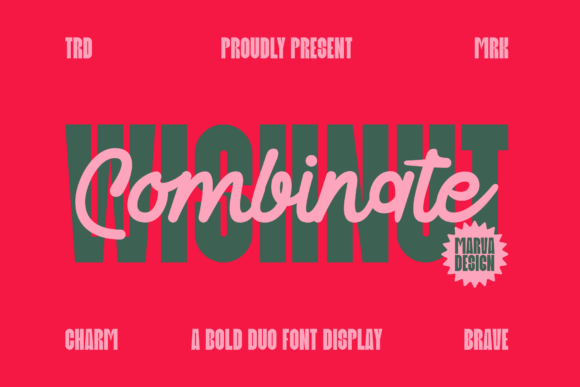
At its core, this is a trio of styles built to work in harmony. The Condensed style is the heavyweight. Its tall, vertical letterforms and sharp geometry are built for headlines that need to dominate a layout. Think of a movie poster, a festival banner, or a website hero section—this style provides that solid, modern foundation. It’s a premium font choice for when you need words to feel substantial and immediate.
The Condensed Italic variant takes that same boldness and injects a sense of motion. The subtle forward lean is perfect for creating dynamic tension in editorial design or adding a bit of energy to a social media graphic. It maintains the condensed, powerful silhouette but feels less static, making it ideal for call-to-action text or subheadings that guide the eye.
Then comes the Script style, the element that adds soul. With its smooth, flowing curves and handwritten aesthetic, it introduces warmth and personality. This isn't a formal script; it's an expressive, rounded font that feels personal and approachable. Used sparingly, it creates a beautiful contrast against the condensed forms, adding a layer of sophistication or playful charm to a brand identity.
Practical Applications for Real-World Projects
The true value of a creative font like this is measured in its application. How can it solve problems for a small business owner or a content creator? Let’s break down the possibilities.
- Branding & Logo Design: The condensed styles offer a strong, memorable wordmark for a logo, while the script can be used for a tagline or a secondary brand element. This built-in pairing ensures visual consistency across all materials, from business cards to vehicle wraps.
- Packaging Design: On a shelf, you have seconds to make an impression. The bold condensed font grabs attention from a distance, while the script font on the back or side panel can tell the product’s story with a personal touch.
- Social Media Graphics: Creating a cohesive Instagram grid or Pinterest board becomes simpler. Use the condensed style for bold quotes or sale announcements, and the script for questions or conversational posts. This variety keeps your feed visually engaging without looking disjointed.
- Editorial Layouts & Blogs: For magazines, blogs, or digital products, this system works beautifully for pull quotes, chapter titles, and featured text. The italic can highlight key phrases, and the script can introduce a new section with flair.
- Marketing Assets: From email headers to webinar slides and digital ads, having a versatile display font family ensures your marketing materials look professional and on-brand, reinforcing recognition with every touchpoint.
Making Typography Work for You: Practical Tips
Choosing a font is just the first step. Using it effectively is what sets good design apart. Here’s how to approach a versatile typeface system like this one.
First, match the style to your goal. Are you trying to convey stability and authority? Lead with the condensed style. Want to add energy or a sense of forward momentum? The italic is your tool. Need to evoke approachability, creativity, or elegance? That’s the script’s job. Never use all three at once in a single layout; let one or two styles dominate to maintain clarity.
Second, always prioritize readability. A bold display font is fantastic for headlines, but for body text, you’ll need a complementary sans serif or serif font. Pair the condensed style with a clean, simple body font to ensure your message is easily digestible. Test your combinations at different sizes, especially for web design where screen resolutions vary.
Third, review the full character set. A quality commercial font will include a robust set of glyphs, including punctuation, numbers, and multilingual support. Check for OpenType features like stylistic alternates or ligatures that can add unique flair to your designs. Understanding what’s included helps you leverage the font’s full potential.
Finally, mind the licensing. For any project that involves a client, merchandise, or a digital product you sell, ensure you have the correct commercial license. This protects you legally and supports the type designers who create these invaluable assets. Reputable foundries make this information clear and straightforward.
Building a Cohesive Visual Language
The ultimate goal of any design asset is to help build a recognizable and professional visual language. A well-designed duo font display system like Wishnut Combinate acts as a foundational piece of that puzzle. It provides the tools for both hierarchy and harmony. The condensed styles establish a strong, consistent voice, while the script adds a flexible, human element that can be dialed up or down depending on the project’s needs.
For the entrepreneur crafting a brand identity, this means having a typography toolkit that grows with you. It can adapt to a formal business proposal, a vibrant product launch, or a casual social media story. For the designer, it means less time hunting for compatible fonts and more time focusing on composition and message. The contrast between the angular, all-caps base and the flowing script creates an inherent visual rhythm that engages the viewer, making your layouts feel more dynamic and thoughtfully composed.
In the end, typography is about communication. A font family that offers both strength and expression doesn’t just decorate a page—it helps tell your story with greater clarity and impact. It’s a practical investment in the professionalism and memorability of your visual communication, whether you’re designing a one-off poster or building an entire brand from the ground up.