Ecliso: The Textured Sans Serif for Modern Brands
There’s a particular challenge in modern design: how do you create something that feels clean and professional, yet also human and approachable? For years, the solution often involved choosing between a crisp, geometric sans serif and a charming, imperfect script. But what if a single typeface could bridge that gap, offering the structural clarity of a modern font with the subtle warmth of a handcrafted texture? This is the space where Ecliso operates, and it’s a compelling one for designers, entrepreneurs, and creators building their visual world.
A Texture That Tells a Story
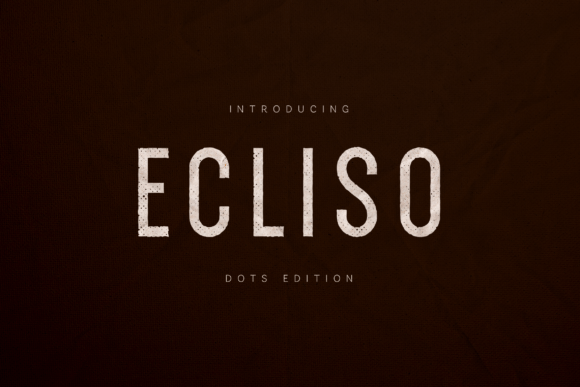
At first glance, Ecliso presents as a well-proportioned, contemporary sans serif. It’s legible, versatile, and has the clean lines you’d expect from a workhorse display font. Look closer, however, and you’ll discover its defining characteristic: a delicate dotted grain effect integrated into the letterforms. This isn’t a heavy-handed distress filter or a rough, grungy overlay. Instead, it’s a refined, almost tactile texture that suggests a screen-printed quality or the subtle imperfection of a photocopied original. This effect gives Ecliso a unique personality. It feels intentionally designed, not accidentally flawed. The result is a typeface that carries a sense of authenticity and craftsmanship, making it an excellent choice for projects where you want to convey quality and thoughtfulness without sacrificing readability.
From Brand Marks to Packaging: Where Ecliso Excels
The true test of any creative font is its application. Ecliso’s hybrid nature makes it surprisingly adaptable across a wide spectrum of design projects. Its strength lies in providing a consistent, textured voice that can tie diverse brand elements together.
- Branding & Logo Design: A logo set in Ecliso immediately stands out. The texture adds a layer of depth and memorability that a standard, smooth font might lack. It’s particularly effective for brands in the artisan, lifestyle, boutique, or creative agency spaces—businesses that want to signal a hands-on, personalized approach. Imagine a logo for a specialty coffee roaster, a modern ceramics studio, or an independent publisher; Ecliso delivers that perfect balance of modernity and handcrafted appeal.
- Packaging & Merchandise: On a physical product, texture is everything. Ecliso’s dotted grain translates beautifully to packaging design, whether it’s printed on matte cardboard, textured paper, or a label. It adds a premium, tactile quality to the visual design before the customer even touches the product. This makes it ideal for product names, taglines, or key information on boxes, bags, and merchandise like tote bags or t-shirts.
- Editorial & Print Layouts: In magazines, lookbooks, or posters, Ecliso can be used for powerful headlines and pull quotes. It commands attention without being overly aggressive. For editorial design, it pairs wonderfully with a clean serif or a simple sans serif for body text, creating a dynamic and visually engaging hierarchy. The texture ensures your titles pop off the page.
Digital Presence: Websites, Social Media, and Beyond
In the digital realm, standing out is crucial. Ecliso offers a distinct advantage for web design and social media graphics. Used for website headings, button text, or hero section titles, it can break the monotony of standard web fonts and give a site a distinctive character. It’s a creative font that helps establish a strong visual identity online.
For social media, where content is consumed quickly, Ecliso’s textured aesthetic can make graphics more eye-catching in a crowded feed. It works exceptionally well for quote graphics, promotional announcements, and profile banners. The key here is pairing. Combining Ecliso with a simple, highly readable font for captions or longer text blocks ensures your message is clear while your visual style remains strong. This approach enhances brand recognition—followers will start to associate that unique textured look with your content.
Making It Work: Practical Typography Advice
Choosing a font like Ecliso is just the first step. Using it effectively requires some thoughtful consideration. Here’s how to get the most out of this textured sans serif.
Consider the Context: Think about your project’s goal and audience. Ecliso’s personality leans modern and artisanal. It’s a perfect fit for a yoga studio’s brand identity but might feel less appropriate for a corporate law firm’s annual report. Always match the font’s character to your message.
Master the Pairing: This is perhaps the most critical step. Because Ecliso has a strong personality, it benefits from being paired with a simpler companion. For body copy, look for a neutral sans serif (like a classic grotesk) or a legible serif font. This creates contrast and ensures your text remains easy to read at smaller sizes. Test different font pairings on screen and in print to see what feels harmonious.
Respect Readability: While the texture is beautiful, it can affect readability at very small sizes or in low-resolution contexts. Use Ecliso for its intended purpose: as a display font for headlines, logos, and large-scale typography. Avoid setting long paragraphs of body text in it. Always conduct a readability check at the intended final size.
Explore the Styles: A quality premium font family like Ecliso often includes multiple weights and styles (e.g., Regular, Bold, Italic). Review all the included styles. A bolder weight might be perfect for a hero headline, while a lighter weight could work for a more delicate subheading. Having these options allows for greater flexibility and visual consistency within a single project.
Understand the License: Before using any commercial font, always review the licensing terms. Ensure the license covers your intended use, whether it’s for a single client project, unlimited commercial work, or digital products you plan to sell. This is a fundamental part of professional practice and protects both you and your client.
Ecliso is more than just another typeface; it’s a design asset that solves a specific visual problem. It provides the structure and clarity needed for professional design while injecting a dose of personality and warmth through its unique texture. For anyone building a brand, designing marketing materials, or crafting visual content that needs to feel both polished and authentic, it’s a tool worth exploring. It reminds us that in typography, sometimes the most interesting solutions lie in the subtle details.