Paper Easter: A Thin Sans Serif with Natural Charm
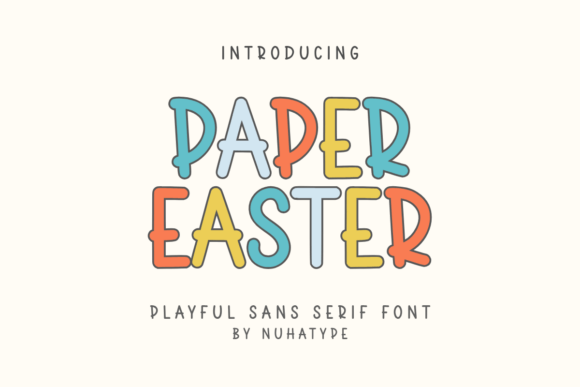
There’s a certain magic in a font that feels both polished and personal. You know the one—it carries the ease of a handwritten note but the clarity of a digital typeface. Paper Easter is precisely that kind of font. It’s a thin, sans serif design that captures the subtle, organic flow of natural handwriting without sacrificing the clean lines needed for modern projects. This isn’t a font that shouts for attention; it whispers with confidence, making it a versatile tool for anyone who values understated elegance in their creative work.
A Typeface That Feels Like a Thoughtful Touch
What sets Paper Easter apart is its delicate balance. Its thin strokes give it a lightweight, airy quality that feels fresh and contemporary. Yet, because it’s rooted in a handwritten style, it maintains a human warmth that purely geometric sans serifs often lack. This combination makes it incredibly approachable. Imagine it on the cover of a minimalist journal, on a motivational quote pinned to a mood board, or as the primary text for a boutique’s wedding invitation suite. It doesn’t dominate the design; it enhances it, adding a layer of sincere, crafted charm.
This personality makes it far more than just a "pretty" font. It’s a strategic asset for building a visual identity. For a small business owner, using Paper Easter consistently across your logo, packaging, and social media graphics can weave a narrative of authenticity and attention to detail. It suggests a brand that cares about the small things—a perception that resonates deeply with customers looking for genuine, curated experiences over mass-produced ones.
From Digital Designs to Tangible Crafts
The true test of a great creative font is its versatility across mediums. Paper Easter excels here, moving seamlessly from screen to physical product. Its clean, thin lines ensure excellent readability in digital formats, which is crucial for web design, blog headers, and email marketing campaigns. You can use it for your website’s body copy if the text blocks are short, or more effectively as a striking display font for headlines and call-to-action buttons.
Where it truly shines, however, is in print and merchandise. Consider these practical applications:
- Packaging & Labels: For artisanal food products, handmade candles, or cosmetics, Paper Easter on a label communicates care and quality. Its minimalist aesthetic lets the product itself remain the star.
- Editorial & Print Design: Use it for pull quotes in a magazine, chapter titles in a self-published book, or elegant headings on a wedding program. It adds sophistication without stiffness.
- Merchandise & Craft Projects: This is where the font’s handmade feel becomes a tangible asset. Think custom tote bags, mugs with inspirational phrases, planner stickers, or Cricut-cut decals. The font’s simplicity makes it easy to weed and cut, while its elegance elevates the final product from a simple craft to a designed item.
- Invitations & Greeting Cards: Paper Easter is ideal for creating invitation suites that feel personal and bespoke. Its readability at larger sizes makes it perfect for event details, while its charm sets the tone for the occasion.
Practical Advice for Integrating Paper Easter
Adopting a new typeface into your toolkit requires some thoughtful consideration to maximize its impact. Here’s how to approach it practically.
Font Pairing is Key. Paper Easter’s thin, delicate structure means it pairs best with fonts that offer contrast in weight or style. For a balanced hierarchy, try pairing it with a sturdy, medium-weight sans serif for body text, or a classic serif for a more traditional, elegant look. Avoid pairing it with other very thin or overly decorative scripts, as this can create visual confusion and reduce legibility.
Context is Everything. Always consider your project’s primary goal. If you’re designing a bold, energetic poster for a music festival, Paper Easter might be too subtle. But if you’re creating a lookbook for a sustainable clothing line, a menu for a cafe, or branding for a freelance photographer, its quiet confidence is perfect. Test it at the actual size it will be used—what looks elegant on your large monitor might become too thin to read on a small mobile screen or a distant poster.
Review the Full Family. While the description highlights its thin weight, check to see if the font family includes other styles like Light, Regular, or Bold. Having access to multiple weights gives you more flexibility to create visual hierarchy within a single project, ensuring your designs are both beautiful and functional.
Understand the License. Before using Paper Easter for a client project or commercial merchandise, verify the licensing terms. Most premium fonts require an extended license for commercial use, especially for products you intend to sell. This is a non-negotiable step in professional design work—it protects you legally and supports the type designers who create these valuable assets.
Building a Cohesive Visual Language
Ultimately, the power of a font like Paper Easter lies in its ability to contribute to a larger visual story. In a crowded marketplace, consistent and thoughtful typography is a silent ambassador for your brand. It builds recognition and trust over time. When your audience sees that familiar, elegant script on a new Instagram post, a product tag, or a website banner, they immediately connect it with your brand’s identity and values.
This typeface isn’t about making loud statements. It’s about crafting a cohesive, professional, and warmly authentic presence. Whether you’re a designer refining a client’s brand identity, an entrepreneur launching a new product line, or a hobbyist creating beautiful gifts, Paper Easter offers a tool to express ideas with clarity and a touch of human grace. It reminds us that sometimes, the most powerful designs are those that feel intentionally, beautifully simple.