Grime Slime: The Gritty Display Font for Bold, Urban Designs
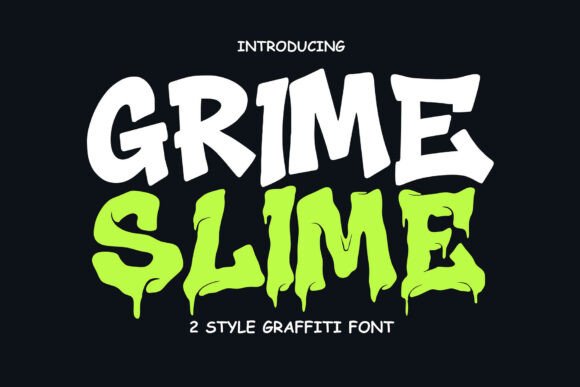
Forget polite, corporate typefaces that whisper. Some projects demand a font that screams, that oozes character, that feels like it was peeled off a rain-slicked alley wall. If your creative vision lives in the world of streetwear, underground music, or dystopian storytelling, you need a typeface that embodies that raw energy. This is where a rugged, melting graffiti font like Grime Slime enters the scene, offering a direct line to the untamed spirit of the urban jungle and macabre subcultures.
A Typeface with a Story in Every Drip
What immediately sets a display font like this apart is its visceral, textured personality. Inspired by the grit of city streets and the fluidity of spray paint, its characters aren't just letters; they're visual statements. The swaying edges, fluid drips, and organic morphing mimic slime trails, creating a wild, yet surprisingly readable spectacle. This isn't a font for body copy in a legal document. It's a headliner, designed to make an audacious statement and command attention with its fierce visual rhythm.
The "toxic" energy it channels is balanced by a rebellious street sophistication. It understands the rules of legibility enough to break them effectively. This makes it a powerful tool for designers working within specific niches. For a horror game poster, the macabre dripping effect adds instant tension. For a skate brand's logo, the deformed, rugged characters convey authenticity and edge. It’s a typeface that doesn’t just sit on a design; it actively contributes to the narrative and mood.
Practical Applications: Where the Grit Meets the Grid
Understanding a font's personality is one thing; knowing where to deploy it is where real-world value is created. A premium font with this much character excels in applications where first impressions are visceral and immediate. Think beyond the obvious and consider how its dystopian vibe can solve design challenges.
- Branding & Logo Design: For a brand targeting urban youth, extreme sports enthusiasts, or the alternative music scene, a logo set in a font like Grime Slime becomes an instant identifier. It’s perfect for apparel tags, skate deck graphics, and BMX bike branding.
- Packaging Design: Imagine this typeface on a craft beer can for a limited-edition "Haze" IPA or on the label for a line of hot sauces with names like "Urban Decay." It adds shelf appeal through sheer attitude.
- Digital & Social Media: It’s a secret weapon for YouTube thumbnails, Twitch overlays, and Instagram stories. The high-contrast, dripping text cuts through the noise of a busy feed, boosting click-through rates for content related to gaming, music reviews, or edgy vlogs.
- Print & Merchandise: On concert posters, festival flyers, or band merchandise, this creative font delivers impact. It translates powerfully to screen-printed t-shirts, stickers, and patches where a bold, graphic statement is needed.
- Editorial & Web Design: Used sparingly for pull quotes or section headers in a digital magazine or blog about subculture, street art, or horror films, it can inject immense personality without overwhelming the reader.
Smart Font Pairing and Readability Considerations
The key to using a high-impact display font effectively is contrast and restraint. Pairing Grime Slime with a clean, neutral sans serif font like Helvetica, Futura, or a simple grotesque creates a balanced hierarchy. Let the grungy font own the headlines and major calls to action, while the sans serif handles the supporting text, ensuring your message remains clear and professional.
Always test your pairings in context. A font that looks incredible on a dark canvas with a bold color palette might need adjustment on a lighter background. Check legibility at the intended size—a logo on a website header has different requirements than text on a small merchandise hangtag. Most premium font packages include multiple styles or weights, so review what’s included. Perhaps there’s a cleaner version for smaller applications or a more distorted one for maximum impact.
Matching Typography to Your Project Goals
Choosing a font is a strategic decision, not just an aesthetic one. Ask yourself: What emotion should this project evoke? Who is the target audience? If the answer involves rebellion, energy, horror, or underground culture, then a typeface with this gritty, modern typography style is a strong candidate. It directly supports goals of brand recognition and audience engagement within those specific communities by speaking their visual language.
For a small business owner creating a line of streetwear, using this font consistently across the logo, tags, and social media builds a cohesive brand identity that resonates with the target demographic. For a content creator, it helps establish a recognizable visual style for thumbnails and channel art. The font itself becomes part of the brand's story.
Finally, always consider the commercial licensing. Ensure the font license covers your intended use, whether for client work, merchandise for sale, or digital products. A reputable font foundry will provide clear licensing terms, giving you the confidence to use this powerful design asset across all your creative and commercial projects. When chosen and applied thoughtfully, a character-rich typeface becomes more than just letters—it becomes a cornerstone of your visual communication.