Halftone Retro Font: Bold Pop Art Style for Modern Designers
There's a certain energy to vintage pop art that never really goes out of style. That punchy, high-contrast look—think classic comic books, old movie posters, and 1960s advertising—still grabs attention in a way that cleaner, more minimalist design sometimes doesn't. If you've been searching for a typeface that channels that retro vibe without feeling like a dusty relic, Halftone Retro might be exactly what your next project needs.
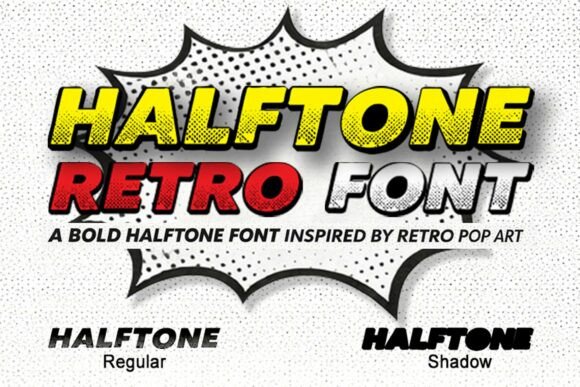
At its core, Halftone Retro is a bold black-and-white display font built around a simple but striking idea: clean letterforms layered with detailed dot textures that mimic the halftone printing process of decades past. The result is a typeface that feels simultaneously nostalgic and fresh, carrying the visual DNA of pop art and comic-style typography while remaining versatile enough for contemporary design work.
What Makes This Typeface Stand Out
Most display fonts aim for impact, but many sacrifice nuance along the way. Halftone Retro takes a different approach. Each character features crisp, well-defined outlines paired with carefully rendered dot patterns that give the letterforms depth and texture. The black-and-white palette keeps things clean and adaptable, which means you can drop this font into almost any color scheme without clashing.
The dot texture isn't random or overly distressed. It's structured and intentional, which gives the font a polished, premium quality that separates it from cheaper alternatives. You get the visual interest of a textured typeface without the muddiness that can make text hard to read at smaller sizes.
Where This Font Really Shines
Let's talk about practical applications, because a font is only as good as the projects it elevates.
Branding and Logo Design
If you're building a brand identity for something playful, energetic, or retro-inspired, Halftone Retro gives you an immediate visual shorthand. Think about a coffee roaster with a vintage aesthetic, a streetwear label, a craft brewery, or a podcast about pop culture. The halftone texture tells people something about your brand's personality before they even read the words. For logos, it works particularly well when you need a single word or short phrase to carry the entire visual weight of a mark.
Posters and Print Materials
This is where Halftone Retro feels most at home. Concert posters, event flyers, gallery announcements, zine covers—any print piece that needs to stop someone in their tracks benefits from a bold display font with this much visual texture. The dot pattern actually mimics how ink interacts with paper in traditional printing, so there's a satisfying authenticity to how it looks in physical form.
Social Media Graphics
Scroll-stopping power matters on platforms like Instagram, TikTok, and Pinterest. Halftone Retro gives your text overlays, quote graphics, and promotional posts a distinctive look that stands apart from the sea of generic sans serif fonts most creators default to. It's especially effective for announcements, sale promotions, and any content where you want a bold, confident tone.
Packaging and Merchandise
Product packaging for items like apparel, stickers, art prints, and specialty goods often benefits from typography that feels handcrafted or artisanal. Halftone Retro fits that brief without looking amateurish. On merchandise like t-shirts, tote bags, and mugs, the halftone texture adds visual richness that plain text simply can't match.
Websites and Digital Products
While this is primarily a display font and not suited for body text, it works beautifully for website headers, hero sections, landing page headlines, and digital product covers. If you sell templates, courses, or downloadable art, using Halftone Retro in your thumbnails and cover designs can help communicate the creative, retro-forward quality of what you're offering.
Pairing Halftone Retro With Other Fonts
No display font works in isolation. The real magic happens when you pair it thoughtfully with complementary typefaces.
Because Halftone Retro is textured, bold, and attention-grabbing, your supporting font should be simpler and more restrained. A clean sans serif like a geometric or grotesque style makes an excellent partner for body copy and secondary text. If your brand leans editorial or sophisticated, a classic serif font can create an interesting contrast between the playful headline and the refined supporting text.
Avoid pairing it with other textured or heavily stylized fonts—script fonts, handwritten fonts, or other display typefaces with their own strong personality. Two competing voices in the same layout create visual noise rather than visual harmony.
When testing pairings, set your headline in Halftone Retro and your body text in the candidate font at actual project sizes. Look at the overall composition on screen and, if possible, in print. Does the hierarchy feel natural? Can you read the body text easily? Does the headline still command attention without overwhelming everything else? These practical checks matter more than any theoretical rule about font pairing.
Readability and Practical Considerations
Let's be honest about something: textured display fonts can present readability challenges, especially at smaller sizes or in busy layouts. The halftone dot pattern in Halftone Retro is detailed enough to look impressive at headline sizes, but you wouldn't want to set a paragraph in it.
Use it for titles, short phrases, single words, and other situations where the text is large and the viewer has time to absorb it. For anything longer than a sentence, switch to a simpler typeface. This isn't a limitation—it's just how display fonts work. Every font has a job, and Halftone Retro's job is to make a strong first impression.
Also pay attention to contrast. Because the font relies on a black-and-white aesthetic with dot textures, it reads best against clean, high-contrast backgrounds. Busy or patterned backgrounds can compete with the halftone dots and reduce legibility. A solid color or subtle gradient behind the text usually works best.
Choosing the Right Font Style for Your Project
Before you commit to any typeface, take a step back and think about what your project actually needs. A retro pop art font like Halftone Retro is a strong choice when your goals include:
- Conveying energy, playfulness, or nostalgia
- Standing out in crowded visual environments like social media feeds or retail shelves
- Building a brand identity with vintage or pop culture references
- Creating marketing assets that feel bold and confident
It's a less ideal choice when your project demands understated elegance, technical precision, or long-form readability. Matching typography to project goals is one of the most underrated skills in design, and it starts with being honest about what mood and message you need to communicate.
Check what styles and weights are included with the font package. Many premium fonts come with multiple variations—outline versions, shadow styles, or alternate characters—that expand your creative options. Understanding what's available helps you get the most value from the typeface and keeps your designs feeling varied even when using the same font across multiple pieces.
Licensing and Commercial Use
If you're using Halftone Retro for client work, merchandise you sell, or any commercial project, make sure you understand the licensing terms. Most premium fonts come with clear commercial licenses, but the specifics can vary. Some licenses cover unlimited projects; others are per-project or per-user. Read the details before you build a brand identity around a font you might need to replace later because of licensing restrictions.
This is especially important for small business owners and entrepreneurs who might not have a legal team reviewing every design asset. A few minutes of reading now can save significant headaches down the road.
Bringing It All Together
Typography choices shape how people perceive your work long before they process the actual words on the page. A font like Halftone Retro carries specific associations—retro comics, pop art boldness, vintage print culture—and when those associations align with your project's goals, the result is design that feels cohesive and intentional rather than arbitrary.
Whether you're designing a logo for a new brand, creating social media content that needs to cut through the noise, or putting together print materials for an event, having a distinctive display font in your toolkit gives you options that generic choices simply don't provide. The key is using it thoughtfully, pairing it wisely, and always keeping your audience and objectives front and center.