Jadent Tagriel: Infusing Playful Energy into Modern Design
Finding a typeface that balances distinct personality with practical versatility can feel like a designer's quest for the Holy Grail. You need something that grabs attention without screaming, that feels fresh without being fleeting, and that carries a clear emotional tone. Enter Jadent Tagriel, a display font that masterfully walks this line. It’s not just another set of letters; it's a design asset built for projects that demand a bold, approachable, and energetic vibe. This isn't about dry typographic theory—it's about real-world application for creators who need their work to connect instantly.
The Anatomy of a Vibrant Typeface
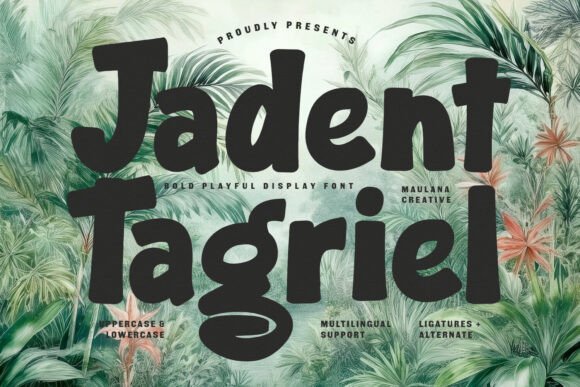
At its core, Jadent Tagriel is a study in friendly impact. Its hand-drawn aesthetic is immediately apparent, but it’s executed with a refined, almost polished sensibility. The soft, rounded edges eliminate any harshness, making it feel welcoming and organic. This is contrasted by its thick, confident strokes, which ensure it holds its own in headlines and logos, maintaining legibility even at smaller sizes. This combination creates a unique visual rhythm—playful yet substantial. It’s a modern typography choice that avoids the pitfalls of overly quirky or childish fonts, positioning itself as a premium font suitable for both youthful and sophisticated audiences when paired correctly.
What truly sets this creative font apart is its depth of character. Beyond the standard uppercase and lowercase letters, it includes numerals, punctuation, and, crucially, a suite of ligatures and stylistic alternates. This is where the magic of customization happens. A ligature might seamlessly connect two letters in a brand name, creating a custom logotype feel. An alternate ampersand or capital "R" can add a subtle twist that makes a design feel entirely bespoke. For a small business owner crafting a brand identity or a designer developing a logo, these features are invaluable. They transform the font from a static tool into a dynamic partner in the creative process.
From Screen to Shelf: Real-World Applications
Theory is one thing; practice is everything. Where does Jadent Tagriel actually shine? Its personality makes it a natural fit for projects where connection and engagement are paramount. Consider the world of packaging design. For a craft granola, a new juice brand, or artisanal soap, this typeface on the label instantly communicates handmade quality and vibrant energy. It tells a story before the customer even reads the ingredients.
For social media graphics, it’s a powerhouse. In a fast-scrolling feed, its bold strokes and friendly curves stop the thumb. It’s perfect for quote graphics, sale announcements, and Instagram Stories that need to feel both urgent and approachable. Pair it with a clean, simple sans serif font for body copy, and you have a visual hierarchy that’s both dynamic and easy to read. This is practical font pairing in action—using the display font for impact and the supporting type for clarity.
Beyond the digital realm, its applications in print materials and merchandise are extensive. Think about the title on a children's book cover, a poster for a local music festival, or the branding on a tote bag. The typeface’s tactile, handcrafted quality translates beautifully to physical objects, adding a layer of authenticity. For editorial design, it can be used sparingly but effectively for pull quotes or section headers in a magazine or blog, breaking up long blocks of text and injecting personality into the layout.
Strategic Typography for Brand Building
Choosing a font is a strategic branding decision, not just an aesthetic one. Jadent Tagriel offers a specific set of brand attributes: energetic, approachable, creative, and confident. If your brand’s voice aligns with these values, this typeface can become a cornerstone of your visual consistency. Using it consistently across your website, marketing assets, and product packaging builds instant recognition. A customer should be able to spot your Instagram post or your product on a shelf and know it’s you, purely from the typographic tone.
This is where its role in logo design and brand identity becomes critical. A logo set in Jadent Tagriel won’t be mistaken for a law firm or a bank—it’s for a yoga studio, a boutique bakery, a creative agency, or a podcast about pop culture. It makes an immediate promise about the experience the customer can expect. However, this strength is also a consideration. Its strong personality means it might not be the right choice for every project. It’s a tool for specific jobs, not a universal solution. Understanding this is key to matching typography to your project’s core goals.
When integrating a display font like this into a broader system, readability considerations are non-negotiable. Its ideal role is in headlines, logos, and short bursts of text. For lengthy paragraphs, especially in web design or digital products like e-books, pairing it with a highly legible serif or sans serif font is essential. Test your pairings rigorously. Does the contrast work? Does the display font overwhelm the body text, or do they complement each other? This testing phase is where good design becomes great design.
Practical Steps for Implementation
Before you dive in, take a moment to review the full character set. Explore the ligatures and alternates. See how the lowercase letters interact—does the font have the flow you need for a particular word? If you’re working on a brand identity, consider how the typeface will look across all planned applications. Mock it up on a business card, a website header, and a social media profile picture.
Finally, a word on licensing. As a commercial font, Jadent Tagriel comes with specific usage rights. Always ensure you have the correct license for your project, whether it’s for a single client, a website, or unlimited merchandise. Respecting these terms protects you legally and supports the type designers who create these valuable design assets.
In the end, a typeface like Jadent Tagriel is more than just letters on a page. It’s a voice. It’s the confident, friendly handshake that starts a conversation between a brand and its audience. When used thoughtfully, it doesn’t just make a design look good—it makes it feel right, creating that elusive emotional connection that turns viewers into customers and followers into fans.