Damage Vintage: Capturing Authentic Grit in Modern Design
There’s a specific feeling that washes over you when you see a design that feels lived-in. It’s the texture of an old workwear jacket, the faded ink on a concert poster from a decade ago, or the peeling paint on a weathered barn door. In a digital landscape often dominated by sleek, sterile minimalism, this tactile quality stands out. It tells a story of time, use, and authenticity. For designers and creators seeking to inject that raw, powerful energy into their work, the choice of typography is fundamental. This is where a typeface like Damage Vintage enters the conversation, not just as a set of characters, but as a tool for visual storytelling.
More Than Just Distressed Letters
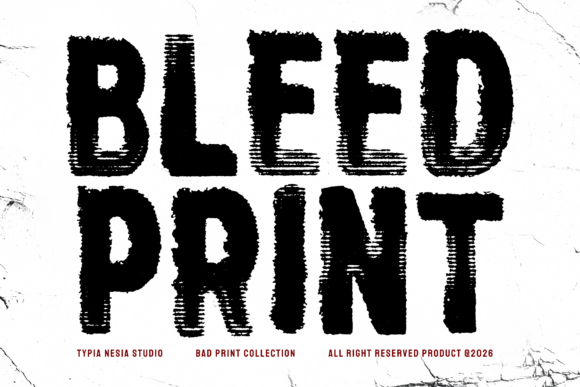
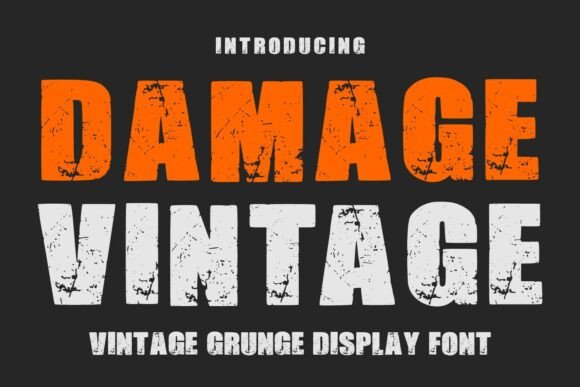
At first glance, Damage Vintage is a bold, all-caps display font. Its strong, uppercase letterforms provide a solid foundation. But what sets it apart is the intricate layer of texture applied to every curve and edge. Inspired by distressed textures and retro typography, each character carries the simulated wear of time—subtle scratches, uneven ink distribution, and rough, worn edges. This isn't a digital perfectionist's font; it's a digital artifact that mimics the beautiful imperfections of manual printing processes and aged materials.
This aesthetic is incredibly versatile. It’s the visual language of streetwear brands, craft breweries, indie record labels, and artisanal coffee roasters. It speaks to audiences who value heritage, craftsmanship, and a certain rebellious spirit. Using Damage Vintage in a project immediately signals a break from the generic, offering a powerful and authentic visual impact that can make a brand or design feel instantly more tangible and memorable.
Where This Font Truly Shines: Practical Applications
Understanding a font's personality is one thing; knowing how to apply it effectively is another. Damage Vintage excels in contexts where you need to grab attention and convey a specific mood quickly. Its bold, textured nature makes it a premier choice for headline-driven projects.
- Branding & Logo Design: For a brand centered on authenticity—think outdoor adventure gear, vintage-inspired apparel, or a rustic bakery—this typeface can form the core of a striking logo. Its ruggedness communicates durability and character at a glance.
- Packaging Design: Imagine this font on a label for a small-batch hot sauce, a craft beer, or a natural skincare product. It adds shelf appeal by suggesting the product inside is made with care and has a story, helping it stand out next to more polished competitors.
- Posters & Merchandise: This is its natural habitat. Event posters, band merch, and limited-edition apparel benefit immensely from the font's gritty texture. It creates a sense of exclusivity and raw energy that plain type cannot match.
- Social Media & Digital Content: In a fast-scrolling feed, a textured headline created with Damage Vintage can stop the thumb. It’s perfect for Instagram graphics, YouTube thumbnails, or blog post headers where you need to establish a bold, thematic tone instantly.
- Editorial & Web Design: Used sparingly for pull quotes, section headers, or feature titles in a magazine layout or on a website, it can add dramatic flair and break up visual monotony, guiding the reader's eye to key information.
Achieving More Than Just an Aesthetic
Choosing a font like Damage Vintage is a strategic decision that impacts more than just looks. When used thoughtfully, it contributes directly to core communication goals.
First, it enhances brand recognition. A unique, textured typeface becomes a visual signature. Consistent use across touchpoints—from your website to your social media to your product packaging—builds a cohesive and instantly identifiable brand identity. Second, it boosts audience engagement. The gritty, authentic feel resonates on an emotional level, particularly with demographics that appreciate vintage culture, craftsmanship, and counter-aesthetics. It makes your marketing assets feel less like ads and more like statements.
However, the power of a display font comes with responsibility. The very texture that makes it compelling can hinder readability if used for long blocks of text. This is where understanding font pairing becomes critical. Damage Vintage is not a workhorse body copy font. Its role is to command attention for headlines, titles, and short, impactful phrases. Pair it with a clean, highly legible sans serif font or a simple serif font for supporting text. This contrast creates visual hierarchy, ensuring your message is both seen and easily read.
Making It Work for Your Project
Before integrating any premium font into your workflow, a few practical steps will ensure success. Start by reviewing all the included font styles and weights. Damage Vintage might come with stylistic alternates, different texture levels, or even a clean version. Understanding your full toolkit allows for more creative flexibility.
Always test font pairings in the context of your actual project. Mock up a logo, a social media post, or a packaging label. Does the combination feel balanced? Is the hierarchy clear? Pay close attention to readability considerations at various sizes—what looks great on a poster might be illegible as a website button. Finally, never overlook commercial licensing. Ensure the license for the font covers your intended use, whether it's for client work, merchandise for sale, or digital products. This is a non-negotiable step for any professional or commercial project.
In the end, typography is a silent ambassador for your brand. A typeface like Damage Vintage offers a direct line to a narrative of authenticity and rugged individuality. It’s a design asset that does more than spell words; it builds a world, evokes a feeling, and helps your project tell a story that resonates long after the first glance.