Piper: A Blackletter Typeface with Modern Edge
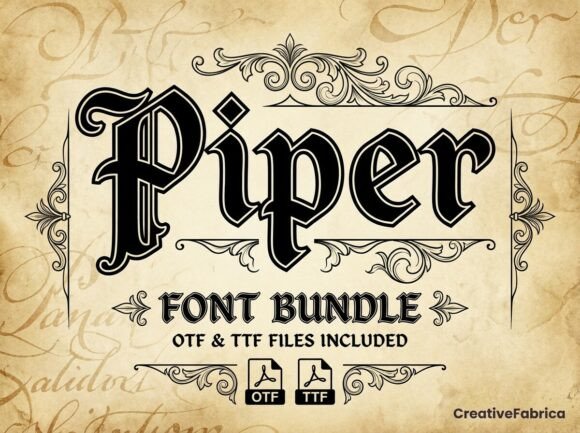
There's a particular kind of visual weight that only blackletter typography carries. It's not just decorative—it's architectural. Each letter feels like it was carved rather than typed, built from sharp angles and deliberate curves that suggest permanence and tradition. Piper, a vintage blackletter display font, taps into that legacy while offering designers something surprisingly versatile for contemporary projects. If you've ever wanted to inject heritage, drama, or a rebellious edge into your work, this typeface deserves a closer look.
Understanding the Visual Language of Blackletter
Blackletter fonts trace their origins to medieval manuscript scripts, where monks painstakingly inked each character onto vellum. Over centuries, this style evolved into the bold, ornamental lettering you'd find on old shop signs, newspaper mastheads, and tattoo parlors. Piper draws from these historical roots but refines them for modern use. The strokes are angular and assertive, with intricate details that reward closer inspection without sacrificing legibility at display sizes.
What makes Piper stand out among other premium fonts in the blackletter category is its balance. Some vintage typefaces lean so heavily into ornamentation that they become impractical. Others strip away too much character, losing the essence of what makes blackletter compelling. Piper finds a middle ground—its letterforms are bold enough to command attention in a logo or headline, yet structured enough to maintain clarity when used thoughtfully.
The font's personality is unmistakably strong. It carries a sense of old-world craftsmanship, evoking everything from German beer halls to Victorian-era signage. But there's also a modern rebelliousness to it, which is why you'll see blackletter styles used by motorcycle brands, craft breweries, and streetwear labels. Piper bridges that gap beautifully, making it a creative font that works across different aesthetic directions.
Where Piper Truly Shines: Real-World Applications
Let's talk about where this typeface actually works, because choosing the right font style for your project matters more than most people realize. A display font like Piper isn't meant for body copy or long paragraphs. It's designed for moments where you need maximum visual impact—headers, logos, titles, and short bursts of text that set the tone for everything else.
Branding and Logo Design
If you're building a brand identity that needs to feel rooted in tradition, craftsmanship, or counterculture energy, Piper delivers. Think about a craft distillery, a barbershop with a classic aesthetic, or a metal band looking for that authentic visual edge. In logo design, blackletter typefaces like Piper give you instant character. Pair it with a clean sans serif font for contrast, and you've got a brand system that feels both timeless and intentional.
Packaging and Labels
Walk down the craft beer aisle and you'll see blackletter everywhere. There's a reason for it—this style communicates authenticity, small-batch quality, and a respect for tradition. Piper works exceptionally well on packaging design where you need the product name to pop from the shelf. Wine labels, hot sauce bottles, artisanal coffee bags—any product that wants to signal heritage benefits from a typeface like this.
Editorial and Print Design
Magazine covers, book chapter headings, poster art, and event flyers all benefit from a strong display font. Piper's bold strokes make it ideal for editorial design where a single word or phrase needs to anchor the entire layout. Think about a music festival poster or a limited-edition zine—these are contexts where blackletter typography doesn't just work, it elevates the entire piece.
Digital and Social Media
Here's where things get interesting. Blackletter fonts have found a second life online, used by content creators, influencers, and brands looking to stand out in crowded social media feeds. A striking Instagram story header, a YouTube thumbnail, or a bold quote graphic gains instant visual authority with Piper. The key is using it sparingly—let the font do the heavy lifting on key words or titles while keeping supporting text in a more neutral typeface.
Merchandise and Invitations
T-shirt designers, sticker creators, and event planners all need fonts that make an impression. Piper works on merchandise because its bold character translates well to screen printing and embroidery. For invitations—especially for events with a dramatic or vintage theme, like themed parties, weddings with a gothic aesthetic, or theatrical productions—this typeface sets the mood before guests even read the details.
Pairing Piper with Other Fonts
One of the most practical things you can do with a typeface like Piper is learn how to pair it effectively. Blackletter fonts are visually intense, so they work best alongside typefaces that provide contrast without competing for attention.
A clean sans serif font is the most natural companion. The simplicity of a sans serif creates breathing room around Piper's ornamental details, letting both typefaces do what they do best. Think of it like a conversation—one voice is bold and commanding, the other is calm and clear. Together, they create balance.
Script fonts and handwritten fonts can also work in certain contexts, particularly for projects with a vintage or artisanal feel. However, you'll want to be careful here. Too much ornamentation in one design can feel cluttered. If you use Piper for your primary headline, consider a simpler script for secondary elements, or skip it entirely in favor of a straightforward serif font.
The best approach is to test your font pairings in context. Drop your headline in Piper, set your subhead in a complementary typeface, and view the combination at the actual size it will appear. What looks good at 72 point on your screen might feel overwhelming on a business card. What seems subtle on a poster might disappear on a mobile screen. Context always matters.
Readability: The Honest Conversation
Let's address this directly, because it's the most important consideration when working with any display font. Blackletter typefaces, by their nature, are less immediately readable than standard serif or sans serif fonts. The ornamental strokes and angular forms require more cognitive effort to process, especially for readers unfamiliar with the style.
This doesn't mean you shouldn't use Piper. It means you should use it strategically. Reserve it for short-form text where visual impact matters more than reading speed—logos, headers, single words, and short phrases. Never set a full paragraph in blackletter. Never use it for navigation text, body copy, or anywhere that readability is the primary concern.
When you do use Piper, pay attention to sizing and spacing. Blackletter fonts often benefit from slightly increased letter-spacing at smaller sizes, and they tend to look their boldest and most legible at larger display sizes. Test your designs on different screens and in print to make sure the letterforms hold up across mediums.
Making the Most of Your Font Investment
When you're investing in a premium font, it's worth understanding what you're getting. Check the included font styles—does the bundle offer different weights, alternates, or decorative variations? These extras can significantly expand your creative options, letting you create more varied designs without needing additional typefaces.
Also, take a moment to review the licensing terms. If you're using the font for commercial projects—client work, products for sale, marketing materials—you'll want to make sure your license covers those uses. Most premium font licenses are straightforward, but it's always worth confirming before you commit to a typeface for a major brand identity or product line.
Piper is the kind of design asset that earns its place in your toolkit through repeated use. It's not a font you'll reach for every day, but when the project calls for something with weight, history, and unmistakable presence, having a well-crafted blackletter typeface ready to go saves time and elevates your work. Whether you're designing for a client, building your own brand, or creating something purely for the love of good typography, Piper brings a level of craft and character that's hard to replicate with other styles.