Rought Cowboy: Capture the Grit of the Wild West
There’s a certain raw, untamed energy associated with the American frontier that modern design often tries to capture but frequently misses. We see it in movies, hear it in music, and look for it in branding that wants to evoke strength, durability, and a bit of rebellious spirit. If you are working on a project that needs to feel grounded in history but punchy enough for the modern eye, standard sans-serifs or delicate scripts just won't cut it. You need something that looks like it has weathered a dust storm and lived to tell the tale. That is the specific space occupied by Rought Cowboy, a premium font that doesn't just mimic the past; it feels like a piece of it.
Visual Personality and Authentic Texture
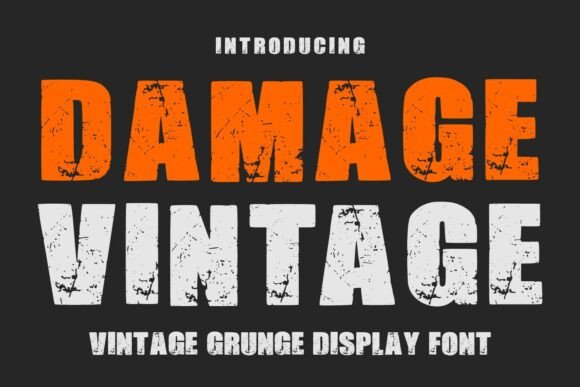
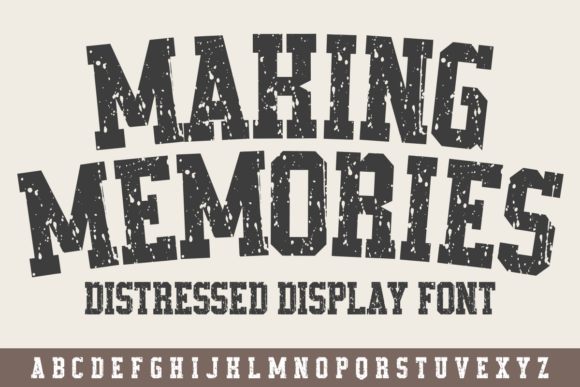
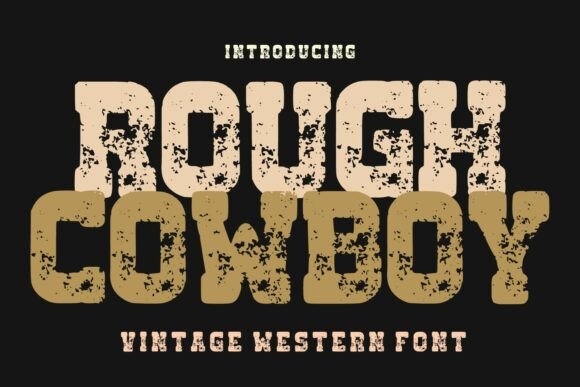
When you first look at this typeface, the immediate takeaway is texture. This isn't a sterile, vector-perfect font that looks like it was spit out of a machine five minutes ago. Rought Cowboy features a heavily distressed style that mimics the ink bleed and woodblock printing inconsistencies found on classic wanted posters and saloon signage. The letterforms are bold and assertive, but the edges are worn and weathered. This creates an immediate sense of authenticity that is hard to fake with filters or overlay effects later in the design process.
For designers, this "pre-distressed" quality is a massive time saver. Usually, to get a vintage western look, you have to find a clean font and then manually erode it using textures or grunge brushes. That process can be hit-or-miss and often ruins legibility. Here, the rugged aesthetic is baked into the glyphs. The weight of the font ensures it commands attention, making it a standout display typeface. It captures the spirit of the Wild West without falling into the trap of looking cartoonish or overly kitschy. It strikes a balance between being stylized enough to set a mood but structured enough to remain readable in headlines.
Practical Applications for Modern Creators
You might be wondering how a vintage western font fits into a modern design workflow. The versatility of Rought Cowboy might surprise you. While it is an obvious choice for specific themes, its application range is broader than just cowboy hats and horses.
Branding and Logo Design
If you are building a brand identity for a craft brewery, a BBQ restaurant, a barbershop, or an outdoor adventure company, this font does the heavy lifting. A logo needs to tell a story instantly, and the "worn" look suggests a brand that is established, hands-on, and values tradition. It pairs exceptionally well with modern minimalist design elements; placing this rough, textured wordmark against a clean, flat background creates a striking visual contrast that feels both contemporary and timeless.
Packaging and Merchandise
In the world of packaging design, shelf appeal is everything. For products like hot sauces, beef jerky, artisanal coffee, or leather goods, Rought Cowboy provides an instant tactile feel. It suggests that the product inside is hand-crafted or high-quality. Similarly, for t-shirt designs and merchandise, this font serves as a strong centerpiece. Because the texture is part of the font file, it prints well on various fabrics without needing complex separation techniques.
Digital and Editorial Layouts
Don't limit this font to physical goods. It works surprisingly well in digital environments when used with intent. Think about event posters for music festivals, headers for travel blogs focusing on rural tourism, or dramatic pull quotes in editorial layouts. It can add a layer of grit to social media graphics that might otherwise look generic. If you are creating a digital product, like a Canva template for influencers or a media kit for a niche creator, including a display font like this adds significant value to your asset library.
Pairing Typography for Professional Results
One of the most common mistakes with decorative fonts is trying to use them for everything. Rought Cowboy is a high-impact display font, meaning it is designed for headlines, titles, and short bursts of text. If you try to write a paragraph of body copy with it, you will likely give your audience a headache.
The key to using this typeface effectively lies in contrast. You need a supporting cast of fonts that complements the main character without competing with it.
- With Sans-Serifs: Pairing Rought Cowboy with a clean, geometric sans-serif font creates a "modern rustic" vibe. The clean lines of the sans-serif allow the texture of the cowboy font to breathe. This is excellent for web design and corporate materials where you need to maintain readability but want to inject some personality.
- With Serifs: If you want to lean into the historical aspect, pairing it with an elegant serif font can look like a vintage magazine layout. This works well for editorial design or upscale event invitations where the theme is "Rustic Chic."
- With Handwritten Fonts: Be careful here. A lot of handwritten fonts can be scratchy, and pairing scratchy with scratchy creates visual noise. If you use a script font, ensure it is smooth and flowy to provide a textural break from the ruggedness of the main header.
Always test your pairings. Look at the x-heights and the visual weight. You want the header to pop, but the supporting text needs to be legible at smaller sizes. This ensures your message gets across while the design retains its professional presentation.
Technical Considerations and Licensing
Before you download and start designing, it is vital to understand the asset you are working with. First, check the character set. A premium font often includes more than just letters and numbers. Look for alternates, ligatures, or dingbats. These extras can help you customize the look of the font so that your design doesn't look identical to everyone else using the same typeface.
Licensing is another critical area that small business owners and freelancers often overlook. If you are using Rought Cowboy for a client’s logo or for print-on-demand merchandise, you generally need a commercial license. "Free for personal use" does not cover projects that generate revenue. Ensure the license covers your specific needs—whether that is for a single user, a team, or for use on digital products sold to end-users. Respecting the typographer's work by securing the right license protects you legally and supports the creation of future design assets.
Matching Font to Message
Ultimately, the success of any design project comes down to visual consistency. Does the typography match the tone of the copy? Does it align with the values of the brand?
If your project requires a voice that is authoritative, gritty, nostalgic, or hand-made, Rought Cowboy is a formidable tool in your kit. It helps bridge the gap between a concept and a visual reality. It tells the viewer that this brand isn't afraid of a little hard work and that it values history and craftsmanship.
For the creative entrepreneur or the hobbyist crafter, having a font like this on hand is about being prepared for inspiration. When a client asks for a "vintage vibe" or you decide to launch a new line of rustic goods, you won't have to settle for a generic typeface. You will have a specialized, high-quality option ready to go, ensuring your work stands out in a crowded marketplace.