Why the Magical Teacher Font is a Whimsical Design Superpower
There’s a certain kind of magic that happens when a design feels instantly approachable, friendly, and full of personality. It doesn’t shout; it smiles. It doesn’t demand; it invites. For anyone working on projects aimed at children, families, or anyone young at heart, finding that sweet spot between professional polish and playful charm can be a real challenge. Too often, fonts that are fun sacrifice readability, while those that are clear feel sterile and cold. The solution lies in a typeface built from the ground up to bridge that gap, turning ordinary text into something that feels special and curated.
Beyond the Classroom: A Font for Every Whimsical Project
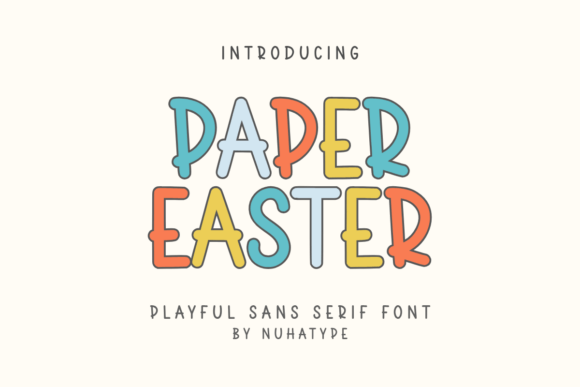
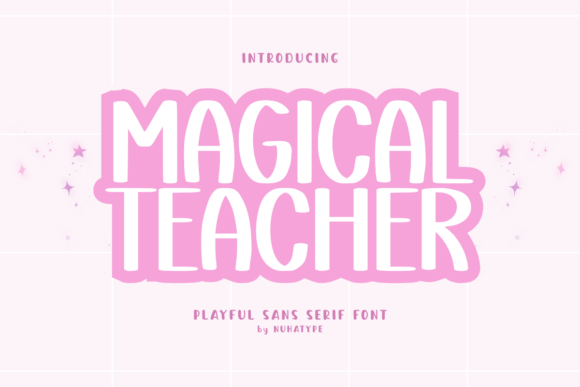
While its name might suggest a primary focus on education, the true power of this premium font is its versatility. Its friendly curves and bouncy baseline are engineered to evoke a sense of wonder and hand-crafted care, making it a fantastic asset across a surprising range of applications. Think of it not as a single-use tool, but as a foundational element for building a cohesive and engaging visual identity.
For a small business owner launching a children’s clothing line, this typeface can become the cornerstone of a brand identity that feels both trustworthy and imaginative. Its legibility ensures it works beautifully on hang tags, care labels, and packaging, while its distinctive character makes the brand memorable. Similarly, a content creator focused on family activities or early learning can use it consistently across social media graphics, printable worksheets, and blog headers to create a recognizable and welcoming aesthetic that their audience instantly connects with.
Practical Magic: Making Your Designs Work Harder
The true test of any design asset is its performance in the real world. This is where a well-crafted font moves from being a nice-looking option to a strategic tool. Its high legibility is a major practical advantage, especially when your audience includes young readers or when text needs to be absorbed quickly, like on a poster or a social media post scrolling by on a phone. You get the personality of a handwritten font without sacrificing the clarity of a modern sans serif.
Consider the impact on marketing materials. A flyer for a local library’s story time, a poster for a school fair, or an invitation to a child’s birthday party all need to communicate key information fast. Using this display font for headlines immediately sets a joyful, welcoming tone, while pairing it with a clean sans serif body copy ensures all the details—dates, times, addresses—are crystal clear. This thoughtful font pairing is a hallmark of professional presentation and shows you’ve considered your audience’s experience.
From Digital to Physical: Unlocking Creative Potential
The applications extend far beyond paper. Imagine the branding for a “magical” themed birthday party. This typeface is a perfect fit for everything from the invitation and welcome banner to the cupcake toppers and thank you notes, creating an immersive experience. For those in the e-commerce space, it can add a whimsical touch to product descriptions on a website for handmade toys or fairy tale-inspired stationery. When used as a web design element for headers or call-to-action buttons, it injects personality into a digital storefront, making it feel less corporate and more like a curated shop.
For entrepreneurs creating digital products, such as downloadable planners, educational games, or craft templates, this font adds significant value. It transforms a simple PDF into something that feels premium and thoughtfully designed, which can justify a higher price point and build stronger brand recognition. The key is to review the included font styles; many premium fonts come with alternates or ligatures that allow you to customize the look further, ensuring your designs feel unique rather than template-driven.
Smart Typography: Pairing and Professional Use
No font is an island. The most effective designs use typography in harmony. The playful nature of this script font means it pairs exceptionally well with more neutral, geometric sans serif fonts or even simple, clean serif fonts for body text. This contrast creates visual hierarchy and ensures readability. A common mistake is to pair two highly stylized fonts together, which can create visual chaos and fatigue. Instead, let the whimsical font be the star for headlines and logos, and use a dependable, legible font for longer passages of text.
Before finalizing any project, especially those for commercial use, it’s a non-negotiable step to review the licensing. Most premium fonts for commercial use come with clear licenses, but it’s crucial to understand the terms. Does it cover use on merchandise? What about in a logo that will be trademarked? Taking a moment to ensure compliance protects your business and respects the work of the type designer. Testing your font choices in context is also vital. Mock up your design on a mobile screen, a printed page, and a large poster to check how it performs at different sizes and on various materials.
Ultimately, choosing a typeface like this is about more than just aesthetics; it’s a strategic decision about communication. It’s about choosing a visual voice that speaks directly to your audience’s emotions, building trust through clarity, and leaving a lasting impression that feels both professional and delightfully human. When you match the right typography to your project’s goals, you’re not just arranging letters—you’re crafting an experience.