Army Military: Capturing the Battle-Hardened-and-Bold Aesthetic
You can almost hear the grit in this typeface before you even read the word. It’s the sound of heavy boots on gravel, the weight of a steel plate, the unyielding nature of a field-tested tool. When a project demands a voice that doesn't just speak but commands attention with authority and a raw, industrial edge, the typography has to carry that same weight. This isn't about delicate serifs or playful scripts; it's about visual fortitude. For designers and creators aiming to evoke a sense of rugged resilience, tactical precision, and unapologetic strength, the right font is the cornerstone of that entire message. It sets the tone before a single line of copy is absorbed, establishing an immediate emotional and aesthetic contract with the viewer.
The Anatomy of a Rugged Typeface
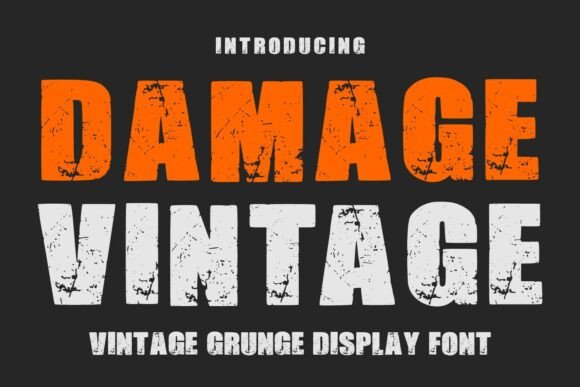
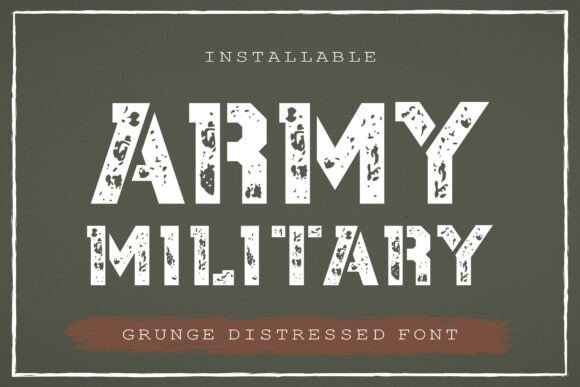
What gives a font like Army Military its distinctive, battle-worn character? It’s a deliberate construction. The foundation is massive, blocky letterforms that feel rooted and immovable. These aren't just bold letters; they are architectural, built with a heavy structural weight that conveys permanence. The true personality, however, emerges in the details. Rhythmic, industrial stencil cuts interrupt the solid shapes, creating a pattern that mimics the practical, no-nonsense look of military equipment and signage. This is further amplified by a heavily distressed "grunge" texture. This isn't a subtle, digital grain; it’s a weathered effect that looks like paint chipped off a cargo crate, dust ingrained in desert fatigues, or the patina on field gear. The result is a typeface that feels authentic, experienced, and ready for action. It’s a premium font that doesn't just sit on the surface; it tells a story of endurance.
From Tactical Gear to Fitness Branding: Real-World Applications
The value of such a potent visual tool lies in its application. Where does this battle-hardened aesthetic truly resonate and add tangible value?
For independent tactical gear branding, this font is a natural fit. It speaks the language of the audience before a product is even described. On patches, labels, and website headers, it immediately establishes a brand identity aligned with durability, reliability, and the outdoors. It’s not just a logo; it’s a badge of quality.
Consider historical documentary titles or editorial layouts about military history. A clean, modern sans-serif would feel anachronistic. Army Military’s texture and stencil cuts provide an immediate visual shorthand for the era and subject matter, grounding the content in a sense of period-appropriate authenticity. The same principle applies to fitness bootcamp identities. The font’s bold, no-excuses personality perfectly mirrors the intensity and discipline of high-impact training programs, making it ideal for gym logos, promotional posters, and social media headers.
Beyond these specific niches, its applications are broad for any project seeking a "gritty-and-gallant" vibe:
- Logo Design & Brand Identity: Creates a powerful, memorable mark for brands in outdoor sports, construction, security, or even craft brewing.
- Packaging Design: Makes products stand out on shelves, especially for items like hot sauces, jerky, or tools where a rugged image is a selling point.
- Marketing Assets & Social Media Graphics: Generates instant impact in a crowded feed. It’s perfect for event promotions, band merchandise, or podcast artwork.
- Web Design & Blogs: Used strategically for headlines, calls-to-action, or section titles to inject energy and a distinct personality into a site.
- Print Materials & Posters: Commands attention in physical spaces, ideal for event flyers, motivational posters, or album art.
- Merchandise & Invitations: From t-shirts and hats to themed party invitations, it adds a unique, character-driven flair.
Making It Work: Practical Font Pairing and Readability
A powerhouse display font demands thoughtful implementation. Its very strength—its bold, textured personality—means it’s not suited for body text or long paragraphs. The key to using it effectively is contrast and hierarchy.
Pair it with a clean, neutral companion. For readability in longer text, pair Army Military with a highly legible sans-serif font for body copy. Think of fonts like Open Sans, Roboto, or Lato. The contrast allows the headline font to shine without overwhelming the viewer, ensuring your message remains clear. For a more editorial feel, a classic serif like Merriweather or Georgia can also work beautifully, creating a compelling tension between traditional and industrial.
Respect its role in the hierarchy. Use Army Military for high-impact elements: main headlines, product names, key slogans, and call-to-action buttons. Let it be the anchor of your visual design. Then, use your paired font for subtitles, descriptions, and body text to guide the reader through the content smoothly.
Test relentlessly for context. A font that looks incredible on a large poster might become illegible when scaled down for a mobile menu icon. Always test your chosen font at the actual sizes and on the devices where it will be viewed. Check how the distressed texture renders on different screens and in print. Does it maintain its character, or does it become a muddy blur? This testing phase is crucial for professional presentation.
Integrating a Creative Font Into Your Workflow
Adopting a font with such a strong personality is a strategic decision. Before finalizing your choice, review the full font family or included styles. Does it come with alternates, ligatures, or multiple weights that can provide versatility within your project? Understanding the full toolkit allows for more creative expression and consistency across different applications.
For any commercial project, licensing is a non-negotiable consideration. Ensure the font license covers your intended use, whether for a single client project, unlimited commercial use, or for creating digital products for sale. Reputable foundries and marketplaces provide clear licensing information, which is a mark of a quality design asset.
Ultimately, a typeface like Army Military is more than just a collection of letters; it’s a design asset with a clear point of view. It helps improve visual consistency by providing a strong, recognizable thread that can tie together diverse materials—from a website header to a physical hang tag. This consistency is the bedrock of brand recognition. When used with intention, it doesn’t just decorate; it communicates, engages, and builds an identity that feels authentic, powerful, and built to last.