Bleed Print: Capturing the Raw Spirit of Vintage Ink
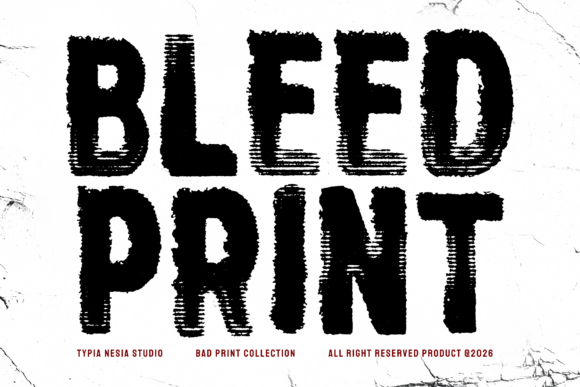
There’s a certain magic in the imperfect. It’s the smudged letter on an old concert poster, the slightly over-inked stamp on a vintage package, the worn type on a weathered sign. These textures tell a story of authenticity and craftsmanship that clean, digital perfection often lacks. For designers and creators seeking to inject that raw, tactile energy into their work, a typeface like Bleed Print becomes an indispensable tool. This bold distressed sans serif font isn't just a collection of letters; it’s a bridge to a bygone era of printing, offering a rugged, masculine, and retro aesthetic that feels genuinely lived-in.
More Than Just a Rough Edge
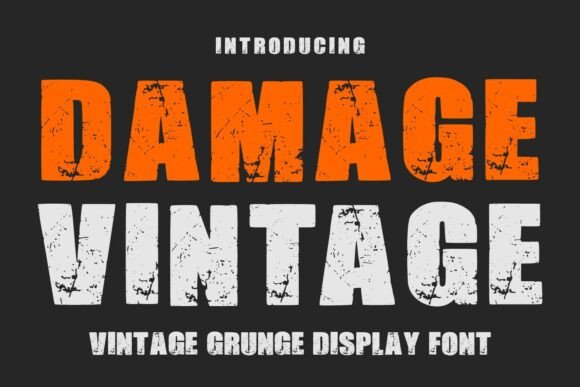
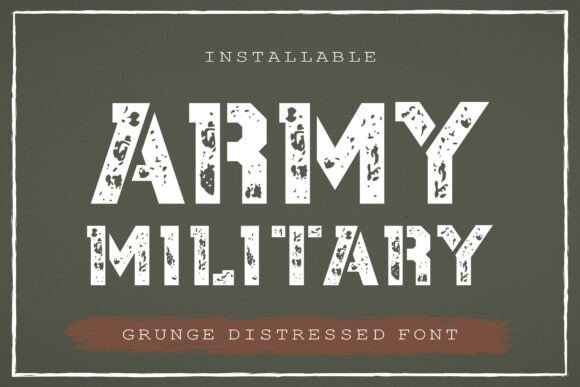
What sets a premium display font like Bleed Print apart from a standard bold typeface is its intentional imperfection. Inspired by the charm of vintage ink bleed and worn stamps, every character is crafted with rough edges, grunge details, and bold letterforms. This isn't a font that tries to hide its texture; it celebrates it. The distressed effect mimics the look of old printing techniques where ink would spread slightly on paper, creating a soft, organic feel. This visual character makes it a powerful creative font for projects that demand attention and convey a sense of history, authenticity, or rebellion.
The beauty of such a typeface lies in its versatility within a specific emotional range. It’s not the right choice for a legal document or a minimalist tech startup’s primary website copy. But for a craft brewery’s logo, a motorcycle club’s badge, a rock band’s merchandise, or a vintage-themed wedding invitation, it’s perfect. It speaks directly to audiences who appreciate craftsmanship, heritage, and a touch of gritty realism.
Practical Applications: Where Grit Meets the Grid
Understanding where to deploy a font like Bleed Print is key to leveraging its strength. Its bold, textured nature makes it ideal for applications where short, impactful text is needed.
- Logo Design & Brand Identity: This is where Bleed Print truly shines. A logo sets the tone for an entire brand. Using this distressed sans serif for a logo, wordmark, or monogram can instantly communicate a brand’s personality—whether it’s artisanal, adventurous, nostalgic, or edgy. It helps build immediate brand recognition through a distinct visual voice.
- Packaging & Labels: On a shelf crowded with sleek, modern designs, a product with a rough, textured label stands out. Think of coffee bags, hot sauce bottles, craft beer cans, or beard oil packaging. The font’s character aligns perfectly with products that have a handcrafted or small-batch story to tell.
- Posters & Event Graphics: For music festivals, local gigs, brewery events, or vintage markets, a bold grunge display font captures the energetic, raw vibe of the event. It’s highly readable at a distance while delivering a specific mood that a clean sans serif cannot.
- Social Media & Digital Marketing: In the fast-scrolling world of social media, visual hooks are crucial. Using Bleed Print for headline text in Instagram posts, YouTube thumbnails, or promotional banners can stop the scroll. It adds personality and makes a graphic feel more designed and intentional, boosting engagement.
- Merchandise & Apparel: T-shirts, hats, and tote bags are canvases for expression. A well-chosen distressed typeface is a staple in apparel design, offering a worn-in look from the start that customers love. It feels authentic and cool, not like a generic print.
- Editorial & Web Design: Used sparingly, it can add tremendous character to a blog layout, a magazine spread, or a website’s hero section. Pairing it with a clean, readable body font creates a dynamic contrast that guides the reader’s eye and establishes a strong visual hierarchy.
Strategic Typography: Pairing and Readability
A powerful font like Bleed Print is a star player, but it needs a supporting cast. The art of font pairing is critical here. Because it’s a bold, textured display font, it should almost always be used for headlines, titles, or short call-to-action phrases, not for long paragraphs of body text.
The goal is to create contrast that aids readability and visual interest. Pair Bleed Print with a simple, clean sans serif font (like Open Sans, Lato, or Roboto) or a classic serif font (like Lora or Merriweather) for your body copy. This allows the headline to make its bold statement without overwhelming the reader, while the body text remains easy to read. For a more nuanced approach, you could pair it with a simple handwritten font for a casual, friendly vibe.
Always test your pairings in context. View them on a mockup of a business card, a website header, or a product label. Check the kerning (the space between letters) and leading (line spacing) at the sizes you intend to use. The distressed texture can sometimes affect perceived spacing, so manual adjustments might be needed for perfect alignment in your logo or headline.
Integrating into Your Design Workflow
When you acquire a commercial font like Bleed Print, you’re investing in a design asset. To get the most out of it:
- Explore the Full Family: A well-designed premium font often includes more than one style. Check if Bleed Print comes with different weights, styles, or even alternate characters. These variations give you more creative flexibility to fine-tune your designs.
- Understand the Licensing: This is a crucial, often overlooked step. Read the commercial license carefully. Does it cover the specific use you have in mind, such as for client work, merchandise for sale, or digital products? Ensuring you have the correct license protects you legally and supports the type designers who created the work.
- Context is Everything: Match the font’s personality to your project’s goals. If you’re designing for a startup’s sleek app, this font might be a misfit. But if you’re creating a poster for a vintage car show or branding a barbershop, it’s an ideal match. The font should feel like a natural extension of the brand’s story.
In a world saturated with polished digital content, the raw authenticity of a typeface like Bleed Print offers a refreshing connection to tangible history. It’s a tool for designers who want to make a statement, for entrepreneurs who want their brand to feel grounded and real, and for creators who understand that sometimes, the most compelling designs are those that embrace their beautiful imperfections. By using it thoughtfully and strategically, you can transform a simple design into something with depth, character, and a powerful story to tell.